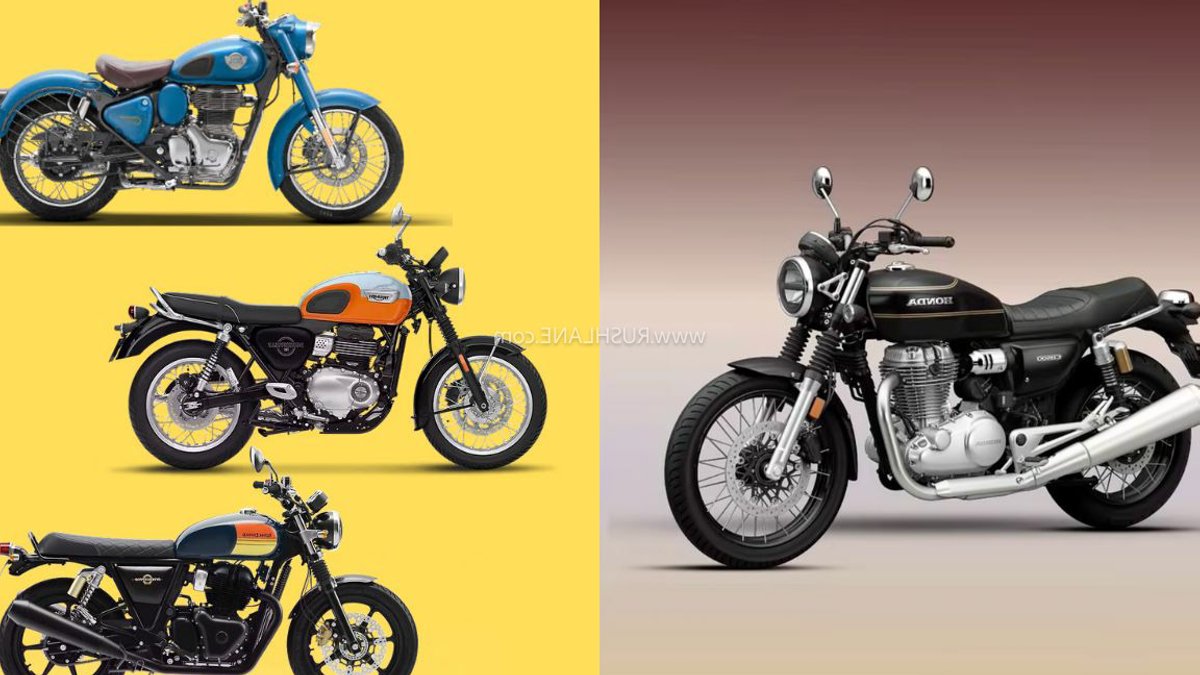
The Honda CB500 retro motorcycle, priced from Rs 2.75 lakh (ex-showroom), occupies a middle ground in India’s 350cc to 650cc segment by balancing power, features, and affordability. Its introduction follows the arrival of competitors like the Triumph Bonneville 400, Royal Enfield Classic 350, Interceptor 650, and BSA Gold Star 650, all targeting riders drawn to retro styling. The CB500’s pricing spans Rs 2.75–3.02 lakh across three variants, positioning it above the Classic 350’s range of Rs 1.89–2.26 lakh but below the 650cc options, which begin near Rs 3.38 lakh.
While retro roadsters dominate the segment, engine configurations differ significantly. The CB500’s 501.7cc air-cooled single-cylinder produces 43.3 Nm of torque, mirroring the Classic 350’s straightforward design but without the liquid-cooled efficiency found in the Bonneville 400 or Gold Star. The Interceptor 650 distinguishes itself with a parallel-twin engine, delivering the highest power output in the group. Triumph’s Bonneville 400 leads in technological features, including ride-by-wire, cruise control, and advanced traction systems—capabilities the CB500 lacks entirely.
The CB500’s 189 kg curb weight makes it the lightest model, while its 15.2-liter fuel tank is the largest. Wheel sizing varies: the CB500 uses 19-inch front/17-inch rear wheels, whereas the Classic 350 and Gold Star feature 18-inch front wheels. Honda is the only brand offering cross-spoke wheels, while Triumph and BSA rely on wire-spoke designs. Tyre widths also differ, Honda, Triumph, and BSA fit 150-section rear tyres, while Royal Enfield’s tyres are narrower.
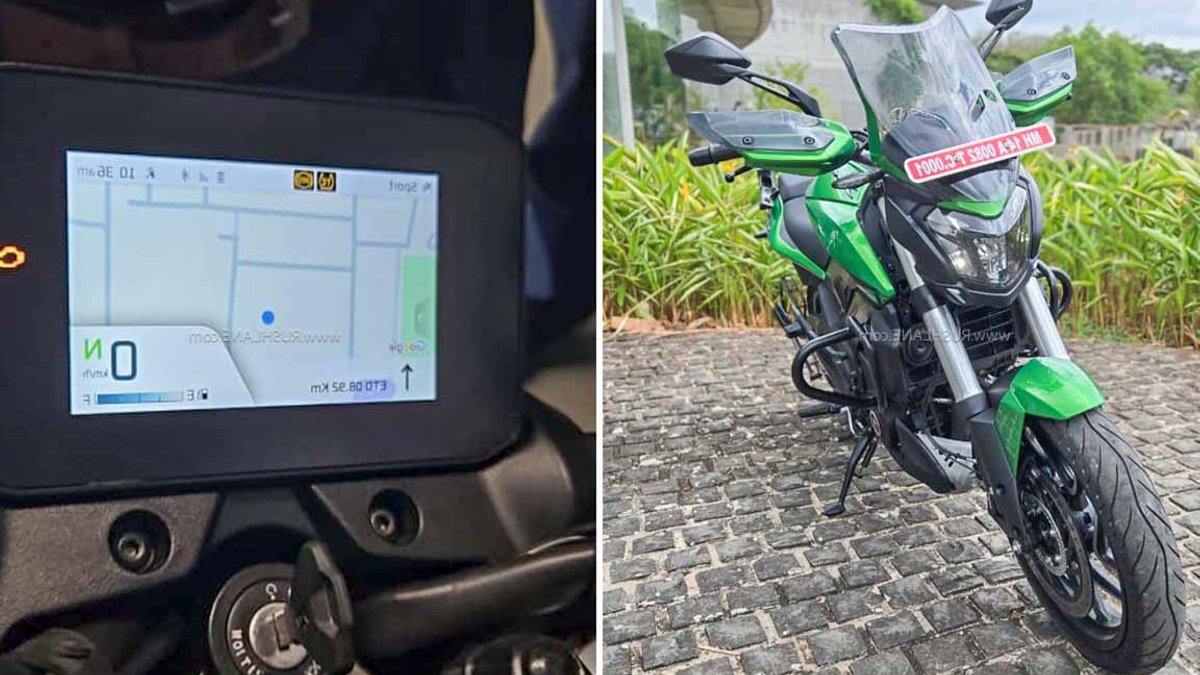
Braking and suspension systems are largely consistent, with all models equipped with dual-channel ABS and telescopic forks. The Bonneville 400 stands out with traction control, lean-sensitive systems, and a TFT cluster with Google Maps integration, a feature absent in the other bikes. The Classic 350’s higher trims include a Tripper Screen for navigation, though most competitors rely on basic digital displays. The Gold Star remains an outlier, combining a single-cylinder engine with a higher price point despite sharing the 650cc segment.
Retro styling in this category reflects a broader market trend toward accessible, character-driven motorcycles. Riders prioritizing raw performance may opt for the Interceptor 650, while those seeking advanced technology might choose the Bonneville 400. The CB500, however, carves its own space with Honda’s reputation for reliability, a generous fuel capacity, and a pricing strategy that avoids the premium associated with 650cc models. Its exclusion of features like cruise control or a full digital cluster suggests a deliberate emphasis on simplicity over electronic enhancements.

Leave a Reply