Direct-injection engines have become the industry standard over the past decade, valued for their efficiency and power. One persistent concern remains: carbon buildup on intake valves. While manufacturers highlight the technology’s advantages, mechanics and data indicate the issue isn’t universal—but it hasn’t disappeared.
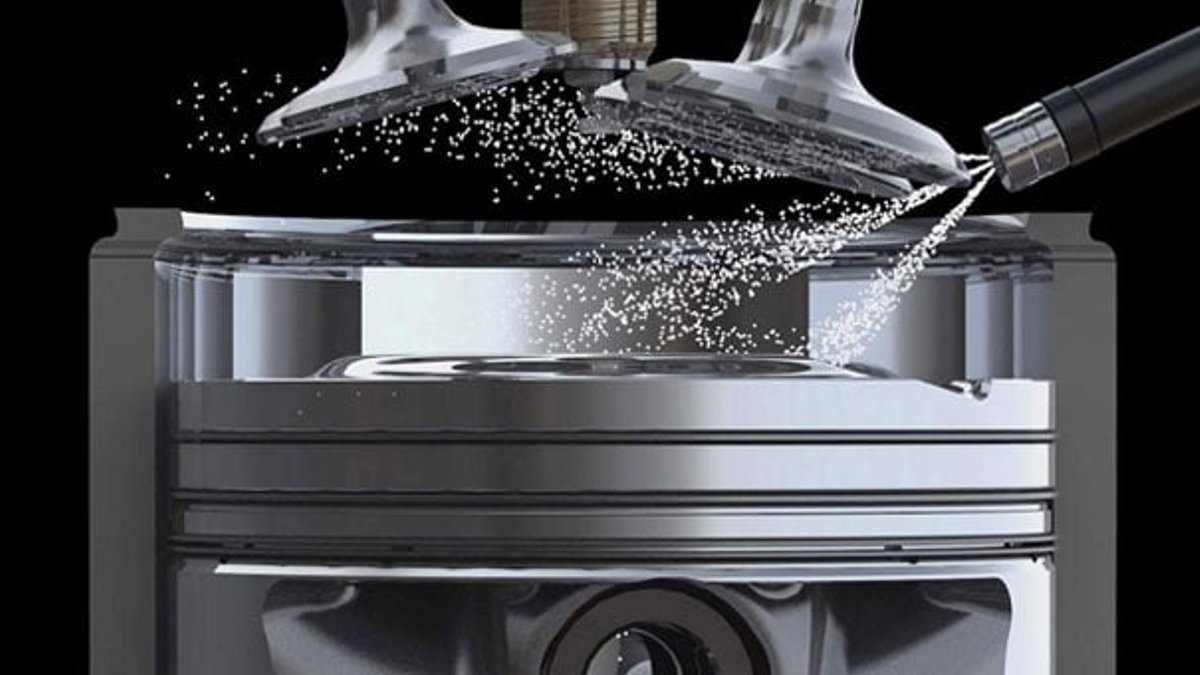
Carbon deposits form differently in these engines. Traditional port-injected systems spray fuel across intake valves, washing away oil and debris. Direct injection skips this step, delivering fuel straight into the combustion chamber. Without that cleansing effect, oil vapors and exhaust gases can leave behind deposits over time.
A Ford factory-certified technician, Brian Laskowski, emphasized that carbon buildup in Ford engines is not a widespread issue due to advanced engine technology. However, he noted it has occurred in some low-mileage EcoBoost units. “As of today the issue seems to be isolated to certain markets with varying factors such as fuel quality,” said Laskowski. If carbon buildup becomes severe, he said it can result in drivability issues, misfires, turbocharger problems, and even catalytic converter damage.
Not all direct-injection engines experience the same problems. Michael Karesh, who runs TrueDelta.com, gathers reliability data from about 33,000 vehicle owners. His findings show carbon buildup isn’t a universal issue.
Related: Mercedes Prices E53 Hybrid Wagon at 107000
Some brands see more reports than others. “The only engines it’s reported quite a bit is [with] the VW/Audi 2.0T and then the Audi V6s,” Karesh said. His data indicates as many as one in six Volkswagen and Audi models from the last two years have faced carbon-related problems. BMWs appear on the list less often.
Ford’s EcoBoost engines, despite early concerns, haven’t shown widespread issues. Laskowski described carbon buildup in these engines as uncommon, though isolated cases occur in low-mileage units. Fuel quality and regional driving conditions influence the problem.
Other brands have scattered reports. Karesh mentioned a single case involving a Chevrolet Equinox, but with a large sample size, he concluded deposits weren’t a major problem for that model. The Cadillac CTS also appeared in the data, though instances were too inconsistent to draw firm conclusions.
Severe carbon deposits can cause misfires, rough idling, and power loss. In extreme cases, they may damage turbochargers or catalytic converters.
Related: 2027 BMW X5 Headlights Feature Whimsical X Shape
Laskowski noted that manual cleaning with brushes and solvents has worked for out-of-warranty vehicles. Media blasting, which uses crushed walnut shells to scrub deposits, is another option.
The long-term reliability of these engines remains uncertain. Karesh wouldn’t hesitate to buy a newer direct-injection vehicle, as most problems appear limited to pre-2010 models. “I’m not seeing it for anything after 2010,” he said.
For drivers worried about deposits, fuel injector cleaners might help. Laskowski warned against conventional induction-cleaning services for EcoBoost engines, as they risk damaging turbochargers. Karesh offered a more optimistic view: “You don’t have to plan on decarbonizing your engine every two years for $800.”
Whether carbon buildup becomes a widespread problem or stays limited may depend on how automakers respond. The debate over direct injection’s trade-offs continues.





Leave a Reply