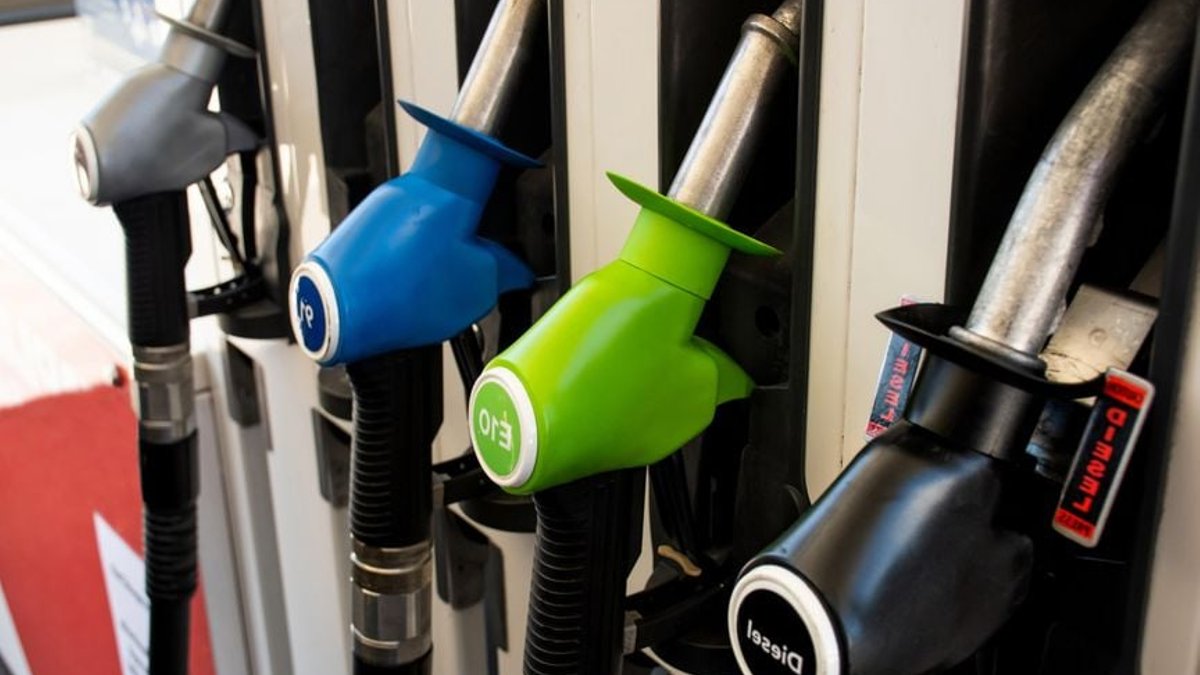
A Western Australian service station chain is now facing legal action after tests revealed it sold 91-octane unleaded petrol as 98-octane premium fuel across its 14 locations. The Consumer Protection Agency (CPA) conducted independent testing on samples labeled as B-Pro Premium 98, and all results confirmed the fuel was actually 91RON instead of the advertised premium grade.
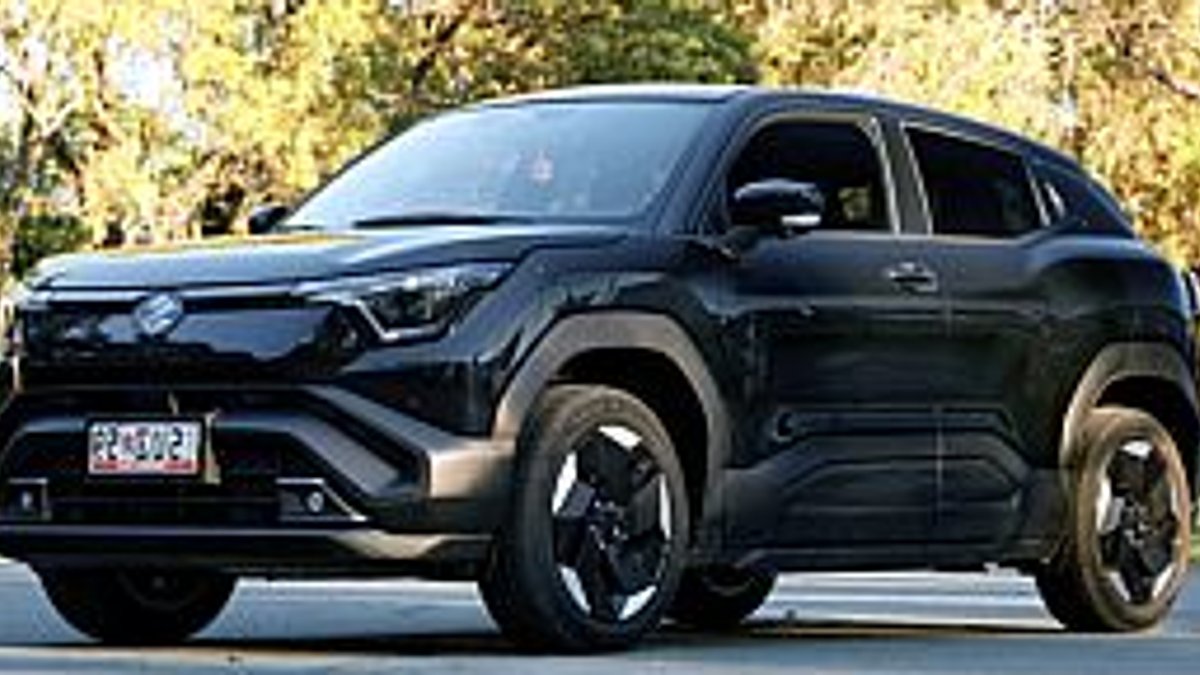
This mislabeling poses risks for vehicles requiring higher-octane fuel, including Australia’s top-selling SUV, the Toyota RAV4 hybrid, which needs at least 95-octane to operate correctly. Customers also pay a premium price for what they believe is higher-octane fuel, with 98-octane costing 20-25 cents per liter more than 91-octane. For a full 55-liter tank in a RAV4, this could mean an extra $13.75 per fill-up if the wrong fuel was used.
Consumer Protection Commissioner Trish Blake described the discrepancy as a “significant difference in value,” emphasizing that drivers have no way to verify fuel quality without specialized testing. “You have to be able to rely and trust on the trader,” she stated. The chain, operated by Burk Fuel Pty Ltd and Burk Pty Ltd, has denied the allegations and declined further comment on the ongoing case before the Supreme Court of WA.
The situation echoes a 2007 case where Dojoo Pty Ltd was fined $400,000 for selling 91-octane fuel as premium at BP stations. Its director faced an additional fine of $70,000. The current legal action comes as Australian motorists already contend with raised fuel costs, following the federal government’s decision to pause its fuel excise and heavy vehicle road charges earlier this year. The case shows ongoing concerns about fuel integrity in the retail market.
Under Australian consumer law, traders must ensure products are accurately labeled and meet advertised specifications. The CPA’s investigation began after multiple complaints from customers who noticed performance issues in their vehicles after refueling. The agency’s tests confirmed the discrepancy, leading to the legal proceedings. The Supreme Court case will determine whether the chain violated consumer protections and whether the penalties apply. If upheld, the fines could set a precedent for future cases involving fuel mislabeling.



Leave a Reply