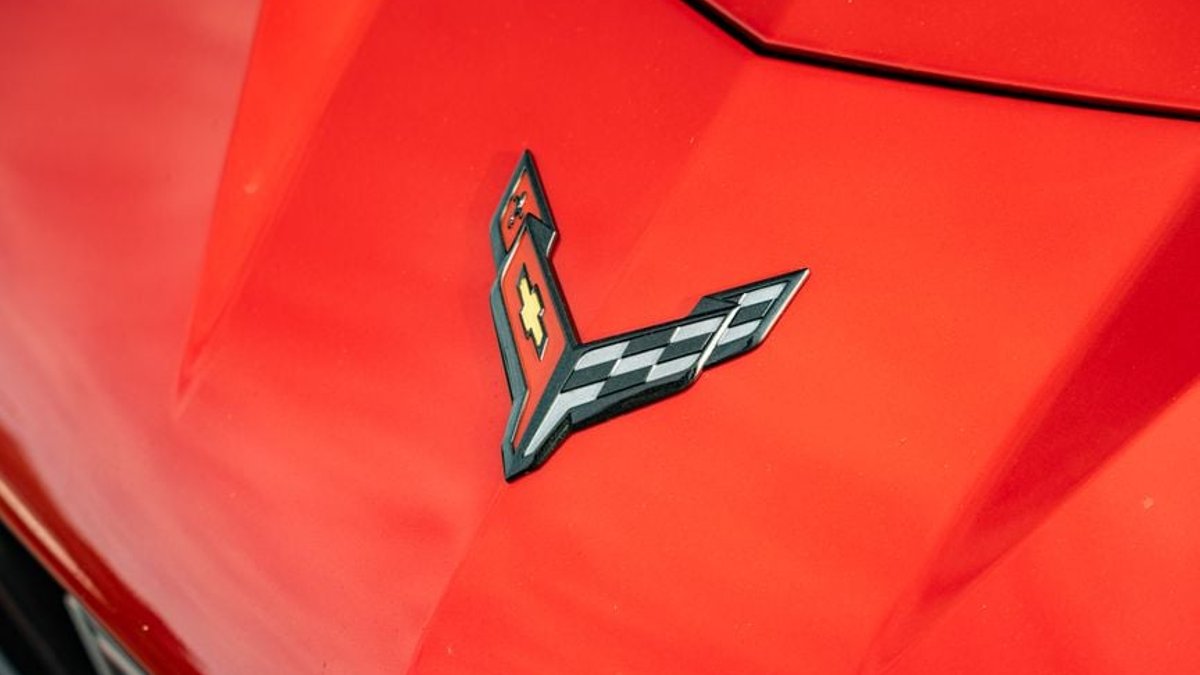
General Motors has reportedly dropped plans to expand the Chevrolet Corvette range, canceling plans for a Corvette sub-brand. This included an electric four-door Corvette and a Corvette SUV. The decision marks a significant shift in strategy, as GM had been exploring ways to leverage the Corvette’s iconic status in new market segments.
The move, first reported by GM Authority, ends speculation about a Corvette sub-brand. These plans, drawn up in 2022, aimed to spin off the C8 Corvette sports car launched two years earlier. GM had envisioned a broader lineup that would capitalize on the Corvette’s heritage while entering high-demand segments like SUVs and electric vehicles.
Electric Dreams Dashed
The sub-brand would have used the GM BEV Prime Platform, a premium version of GM’s BEV3 platform. This platform underpins the Cadillac Lyriq, Optiq, and Vistiq electric SUVs sold in Australia. By leveraging this architecture, GM aimed to combine Corvette’s performance DNA with the efficiency and sustainability of electric powertrains.
A key model was an electric SUV, codenamed V284 inside. It aimed to apply Corvette styling to an SUV, similar to how Ford handled the Mustang Mach-E. This strategy reflects the industry’s broader trend of repurposing sports car branding for SUVs, a move that has proven successful for brands like Porsche and Lamborghini. Ford, however, faced backlash in Europe when it revived the Capri name for a Volkswagen-based electric crossover in 2024, with purists criticizing the lack of connection to the original two-door sports car.
In 2023, SUVs made up 48% of global new-car sales, according to the International Energy Agency. This figure rose to 50% in advanced economies, showing the segment’s dominance. The Corvette SUV would have been GM’s attempt to tap into this lucrative market while maintaining the brand’s performance-oriented image.
The Porsche Cayenne, launched in 2002, set the precedent for the Porsche 911 style in an SUV, proving that luxury and performance could coexist in a larger vehicle. Similarly, the Lamborghini Urus, launched in 2017, now makes up almost three-quarters of the brand’s global sales, driving record annual results for the past five years. These examples highlight the potential for Corvette to expand beyond its traditional sports car roots.
The Corvette sub-brand also planned an electric four-door sedan. This would have competed with models like the Porsche Taycan and Audi e-tron GT, positioning Corvette as a direct rival in the luxury electric sedan market. Additionally, it would have targeted the Lucid Air Sapphire, though this model is not available in Australia. Analysts at Morgan Stanley estimated that an expanded Corvette sub-brand could have been worth up to US$12 billion (A$17.1 billion), six times the current value of the Corvette brand, highlighting its untapped potential.
Slow EV Sales
EVs made up only 3.2% of GM’s US sales in that quarter. This compares to Ford, where EVs accounted for 1.52% of sales in the US by the end of September 2026. Stellantis saw an even lower figure of 0.22%, indicating that GM is not alone in facing EV adoption hurdles.
Meanwhile, GM introduced a new sixth-generation small-block V8 engine for the 2027 model year Corvette Stingray, Grand Sport, and Grand Sport X. This 6.7-litre petrol unit reinforces GM’s commitment to internal combustion engines, even as it works through the transition to electric vehicles. These models have not been confirmed for Australia, leaving local enthusiasts in anticipation.




Leave a Reply