Hyundai-Kia will allocate $15.5 billion to India over the next seven years, establishing the country as a central pillar of its worldwide expansion. The decision follows discussions between Hyundai Motor Group (HMG) and Indian Prime Minister Narendra Modi in October 2026, encompassing factory upgrades, research initiatives, and supply chain enhancements. A dedicated investment arm will manage the funding, directing resources toward four core areas: expanding production, developing R&D capabilities, deepening local supplier ties, and advancing future mobility solutions.
The investment plan was finalized during a meeting at the Prime Minister’s Office in New Delhi on 13 October 2026, where HMG explicitly positioned India as a “strategic core market” for its future growth, emerging market expansion, and next-generation automotive innovation. This long-term commitment builds on three decades of collaboration, with the group framing the initiative as a 30-year partnership to support a full automotive ecosystem.
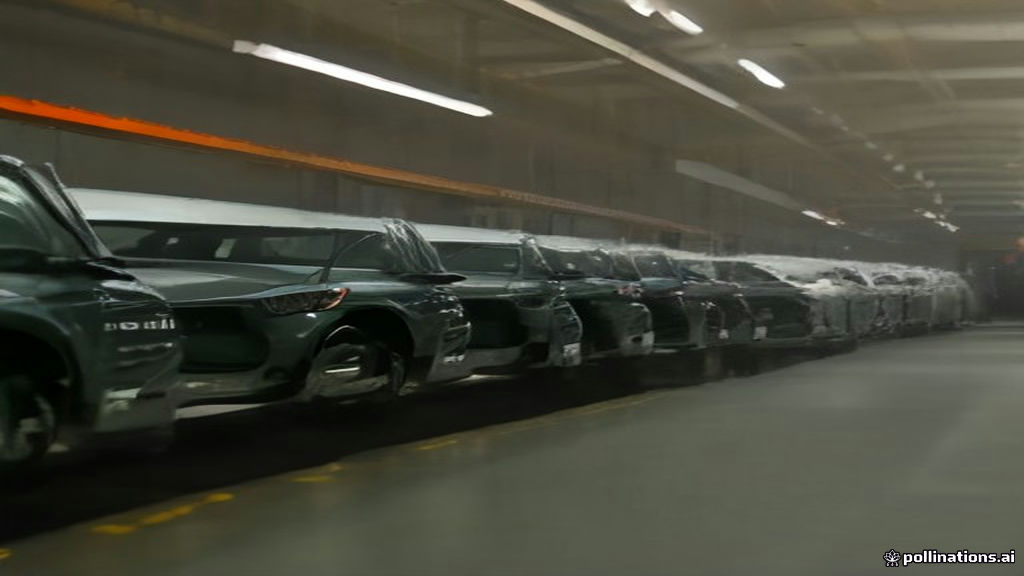
The group already operates three major facilities in India, employing over 24,000 workers and producing 1.4 million vehicles annually across Chennai, Pune, and Anantapur. Under the new plan, these operations will scale further, with India positioned as a global export hub for Hyundai-Kia models. A $700 million commitment to R&D, including a new vehicle testing track, will accelerate innovation, shifting India’s role from a manufacturing base to a center for automotive technology development. The R&D investment will establish a complete local innovation system, with a focus on strengthening the technological competitiveness of Hyundai-Kia’s Indian-developed products through expanded infrastructure and talent development at the dedicated R&D center.
Production expansions will proceed in stages, beginning with upgrades at the Pune plant. The Chennai facility currently turns out 824,000 units per year at Hyundai Motor India Ltd (HMIL), while Pune produces 170,000 units annually and Anantapur 431,000 units for Kia India. These numbers are expected to rise alongside the new investments. Beyond traditional manufacturing, HMG will also explore electric vehicle charging networks, mobility services, and specialized automotive financing options. The group’s future mobility strategy includes supporting high-potential startups and expanding into new business verticals such as EV charging infrastructure and end-of-life vehicle recycling, positioning India as a leader in next-generation automotive innovation.


Leave a Reply