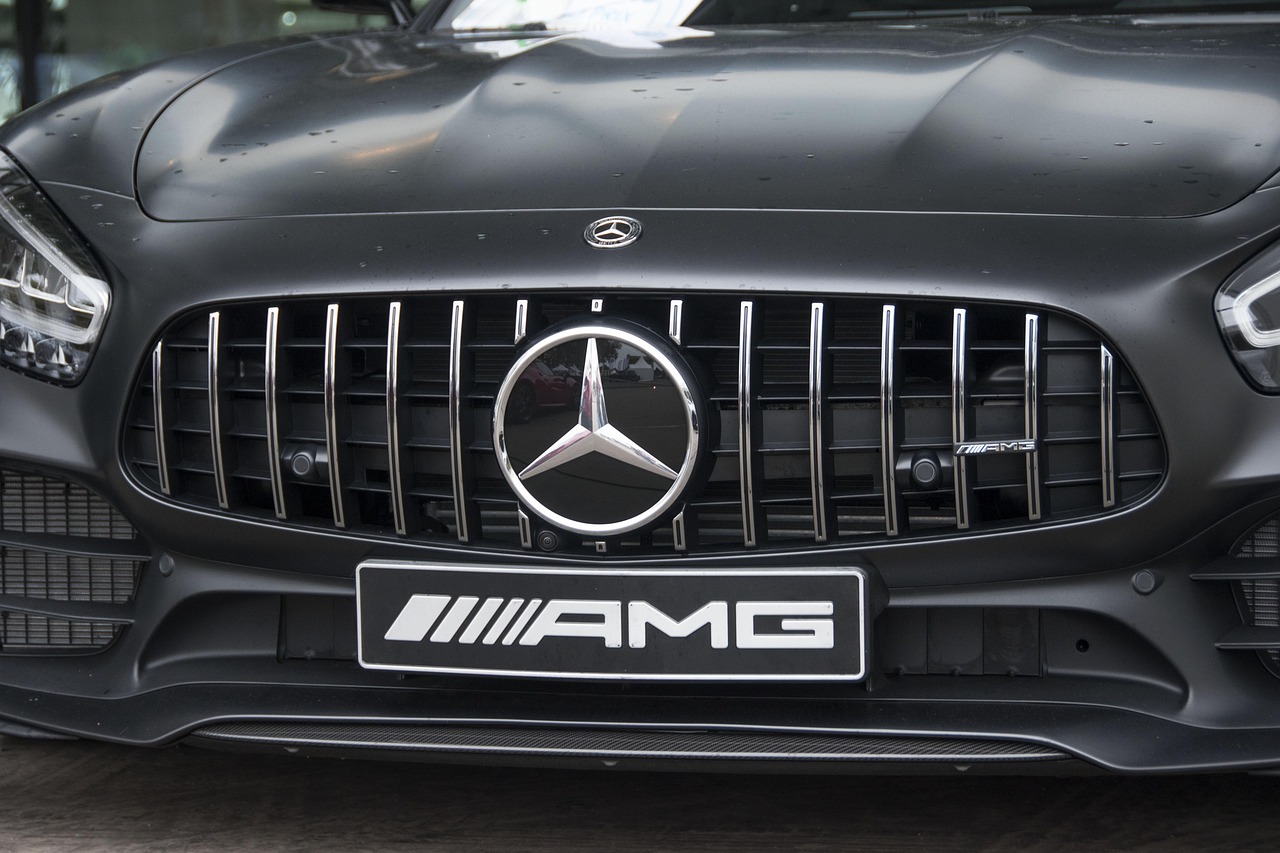
Mercedes-Benz VLE made its first road test debut in Spain, where the automaker unveiled a fully electric vehicle it describes as a “grand limousine,” though the shape and purpose more closely resemble a modern minivan.
Size and Steering Defy Expectations
The short‑wheelbase version we drove measured almost as long as a Toyota Sequoia, while the upcoming North American long‑wheelbase model adds roughly four inches beyond a Cadillac Escalade and nearly a foot more than a Honda Odyssey. Despite the dimensions, the VLE’s four‑wheel steering can swivel the rear wheels up to seven degrees, allowing the vehicle to negotiate tight city streets with the agility of a compact hatchback.
Mercedes demonstrated the system on narrow Spanish lanes originally built for a Seat 600. The VLE turned without the clunkiness one might anticipate from a vehicle of its size. In the United States, the turning circle is comparable to a GMC Yukon, which is half a foot shorter, suggesting that everyday maneuverability will not be a major hurdle for owners.
Powertrain Options and Range Estimates
U.S. buyers will receive the dual‑motor VLE400, rated at 416 hp and 420 lb‑ft of torque. The manufacturer cites a 0‑62 mph sprint of about 6.5 seconds for the lighter, short‑wheelbase version. A single‑motor VLE300, delivering 272 hp and 321 lb‑ft, was also tested but may remain a European offering.
Related: 2026 Mustang Dark Horse SC revealed
The battery pack holds 115 kWh of nickel‑manganese‑cobalt cells. Mercedes quotes a WLTP range of 390 miles for the VLE400 and 435 miles for the VLE300. Translating those figures to EPA estimates is uncertain, but analysts at industry studies suggest the VLE400 could clear 300 miles, while the VLE300 might exceed 350 miles if it reaches the U.S. market.
Fast charging operates on an 800‑volt architecture, adding roughly 180 miles of EPA‑equivalent range in 15 minutes via a CCS port. The lack of a Tesla‑compatible connector could limit rapid‑charging options at some locations.
Ride Comfort and Driver Aids
The Airmatic suspension prioritizes smoothness over sportiness. The cabin is insulated from road noise, creating a serene environment even at higher speeds. When cornering, the vehicle leans more than expected for its weight, and the chassis responds with a subtle, almost embarrassed, resistance to aggressive inputs.
Ride height automatically drops 40 mm when parked, easing entry and exit. Regenerative braking offers Normal, Strong, and Intelligent modes, the latter disabling regen until a stop is required, which is useful for chauffeur‑driven services that favor a gentle ride.
Related: Jeep Recalls 419,000 Grand Cherokees Over Airbag Issue
A unique memory feature records the last 500 feet of travel. If a driver backs into a dead‑end, the parking system can reverse along the same path, limiting speed to eight miles per hour and handing control back to the driver if an obstacle appears. The function feels more like a novelty than a necessity, yet it highlights Mercedes’ focus on automated assistance.
Interior Luxury and Technology
Inside, the VLE offers three rows of seats, each finished to the same high standard. The second‑ and third‑row seats can be powered, recline, and include footrests. A 31‑inch screen spans the rear cabin for entertainment or videoconferencing, while the driver’s cockpit features a 10.25‑inch display, dual 14‑inch center and passenger screens, and a sizable head‑up display.
The vehicle runs the latest MB.OS operating system, which is generally straightforward. Voice commands work reliably; a simple “Hey, Mercedes, turn on the head‑up display” activates the HUD without fuss.
Market Position and Pricing Speculation
Mercedes plans to launch the VLE in the United States in the second half of 2027 as a 2028 model year vehicle. The first buyers are likely to be airport shuttle services and high‑end limousine operators, especially in cities with robust EV charging networks. Industry observers note that the VLE’s price could range from $80,000 to $100,000, a steep figure for most families but comparable to other premium electric SUVs.
Related: Jeep urges 1 million owners to park outside
One analyst from a major automotive consultancy cautioned that the VLE’s niche appeal may limit its impact on the broader minivan market, which continues to be dominated by more affordable, gasoline‑powered models. “Unless the company can justify the premium with tangible savings on operating costs, the VLE will remain a specialty vehicle,” the analyst said.
Nevertheless, the VLE’s combination of spaciousness, quiet electric power, and advanced driver aids could make it an attractive option for those willing to pay for luxury and sustainability. Its large windows, sunroof, and comfortable seating lend themselves to family trips as well as executive transport.
The VLE feels futuristic.
While the brand does not market the VLE as a minivan, its design and features align closely with that segment. If the vehicle meets its projected range and pricing expectations, it might spark renewed interest in premium electric minivans, a category that has been largely absent from the U.S. market for years.




Leave a Reply