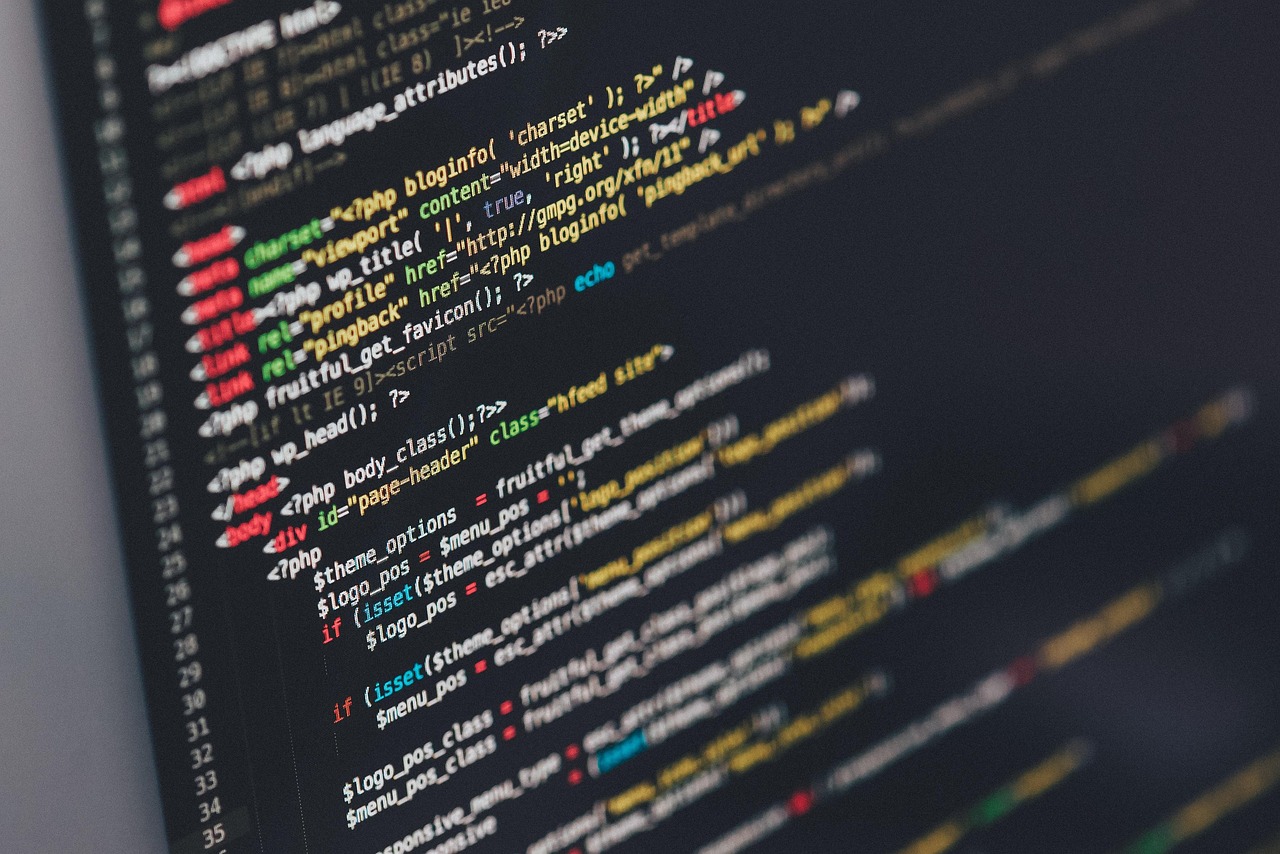
Tesla Vision now claims it can deploy airbags before a collision occurs, using external cameras to detect potential crashes milliseconds ahead of impact. The update, part of a May 9 software release, adds a feature that allows the system to identify contact points and crash severity, then send signals to airbag controllers to begin deployment as early as 70 milliseconds before impact.
The technology relies on Tesla’s existing suite of exterior cameras, which continuously monitor the vehicle’s surroundings. According to Tesla, the system does not replace traditional impact sensors but instead works alongside them. “We’re still using impact sensors to detect crashes,” said Jarad Hutchinson, a crash analysis engineer at Tesla, in a May 8 video on X. “We’re just supplementing our decisions by using information from the Vision system.”
Baca Juga: Nissan to Discontinue Rogue Plug-In Hybrid Model
Traditional airbag systems depend on sensors located in bumpers or crumple zones. These sensors only activate after detecting physical impact, which means occupants are already exposed to forces from the collision before safety measures engage. Tesla’s approach aims to reduce that window by using visual data to trigger airbags and pre-tension seat belts earlier.
Tesla addressed concerns about false deployments by referencing a September 2025 post stating that airbags “do not deploy based on Tesla Vision alone.” The system, the company said, uses a combination of visual input and traditional sensor data to avoid unnecessary activations. However, the effectiveness of this dual approach has yet to be tested by independent safety organizations.
The update comes amid growing interest in vision-based safety systems. While Tesla’s claim highlights a potential advantage in crash response time, experts remain cautious. “Earlier deployment could help, but real-world performance will depend on how accurately the system predicts collisions,” said one automotive safety analyst, who did not want to be named. “There’s a lot of variables in unpredictable scenarios.”
The May 9 software update includes several other improvements, though Tesla did not specify them publicly. The company has not released detailed technical documentation on how the Vision system processes visual data to predict crashes. Testing by third-party crash-test organizations, such as the Insurance Institute for Highway Safety, will be critical in validating the system’s claims.
Tesla’s latest update marks another step in its push to integrate AI into safety systems. The company has previously used Vision software for features like automatic emergency braking and lane-keeping. This new capability, however, represents a shift toward proactive safety measures rather than reactive ones.
For now, the system remains in beta, with no indication of when it will be available to all Tesla owners. The company has not disclosed how many vehicles currently have the updated software or how it plans to roll out the feature. Independent testing will be key to determining whether the system lives up to its promises.
The update’s timing coincides with increasing competition in the autonomous driving space. Companies like Waymo and Cruise are also exploring vision-based systems for safety applications. Tesla’s move could influence industry standards, though it will take time for regulators and consumers to assess the technology’s reliability.


Leave a Reply