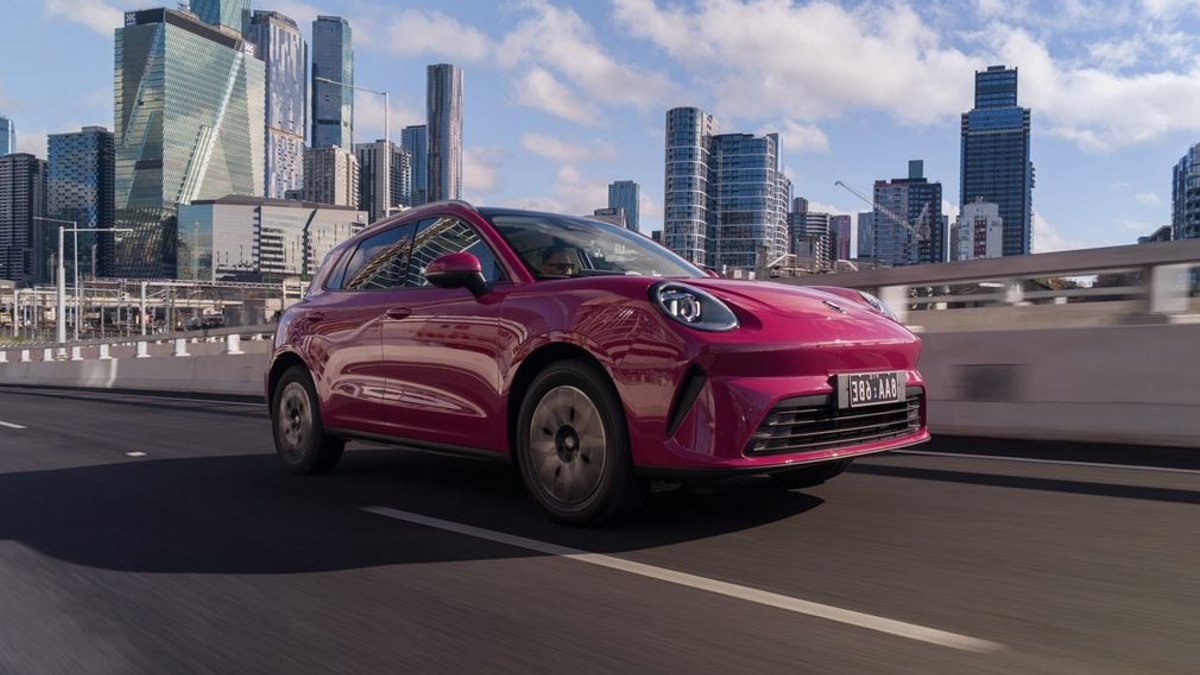
Electric vehicles have surged in popularity in 2026, with sales rising almost 150 percent between January and October compared with the same period in 2025. Based on that trajectory, an additional 250,000 EVs are expected on Australian roads by the end of this year, bringing many families to battery-powered cars for their summer holidays for the first time. While there are benefits to ownership, the Easter long weekend saw drivers waiting up to five hours at charging points on major thoroughfares and tourist destinations. A little forward thinking can make the trip memorable rather than frustrating.
Manage expectations on range
It is easy to assume that the advertised driving range on a vehicle will apply to every situation, but that is not always true. Petrol and diesel cars generally consume more fuel in the city and less on highways, whereas electric vehicles are more efficient in urban driving. Motorway speeds increase energy consumption in an EV, meaning highway trips can use more power than city driving. Drivers should not rely on the claimed average range, particularly when planning trips on freeways and highways.
Planning stops ahead of time makes the difference between a smooth journey and a delay. Infrastructure is improving, but charging locations are not as common as fuel stations. Taking a GWM Ora 5 from Melbourne to Merimbula covers roughly 600 kilometers. With an overnight stop, the trip requires one recharge on the first day and another on the second. The timing can align with coffee and toilet breaks, keeping the schedule relaxed.
Read Also: Chery Stockman diesel PHEV ute priced at $52,990
According to GWM, the Ora 5 can recharge from 10 to 80 percent in 30 minutes using a 120kW DC fast-charger. However, other chargers at the same location may affect power output. Drivers should not assume the best-case scenario and should allow longer stops to ensure enough range for the next leg of the journey. This buffer prevents running low on power and the stress of finding a working station.
Use tools and apps wisely
Online mapping software and AI agents can simplify holiday planning. These tools take into account energy consumption, distances, and overnight accommodation with charging. Using the Melbourne to Merimbula example, one AI agent suggested an overnight stay in Lakes Entrance with five accommodation options that include charging. The plan also includes a lunch stop in Traralgon near cafes and an antiques shop, along with a coffee break at a nearby bakery on the second day.
Dedicated websites such as PlugShare, EV Atlas, A Better Route Planner, and MyNRMA help locate fast DC chargers along the route. The final plan can be created on Google Maps, with the route and stops sent to a phone or emailed for access later. Before leaving, downloading the right apps is essential. Creating accounts and entering payment information saves time at the charging station and prevents delays for other drivers.
Have a backup plan
Situations do not always go according to plan. Drivers may face a long queue at a charging station or encounter a closed road. A detour can add hours and kilometres to the trip. Having an alternative route helps avoid getting stuck. Identifying towns with chargers or caravan parks that allow overnight AC charging provides a safety net. If DC charging is not available, knowing where to plug in overnight is vital for the next day’s drive.
Read Also: Lexus recalls IS models over airbag issue
Pack the right gear
Having the correct cables on board provides more charging options. A portable EVSE allows charging from a standard household outlet. This is useful when a fast-charger is not available. Adaptors for Type 2 to Type 2 or 15A/32A connections are also helpful. An extension lead is cheap insurance. It allows power to be sourced from a point that is not directly next to the vehicle.
Tyre safety remains important even for new cars. Drivers should check tread wear and leaks. Tyres must be inflated to the recommended pressures. Increasing pressure within the safe range can improve energy efficiency. However, this can make the ride harsher. Australian roads are often in poor condition in country areas. Carrying a spare wheel or a can of tyre repair goop is a smart idea. It helps in the event of a blowout.
If a service interval is due before the trip, booking it at the dealership is wise. Trained mechanics can inspect the car before departure. This check ensures the vehicle is reliable for the long drive. Roadside assistance is a necessary safety net. Most new cars offer complimentary programs. Genesis provides ten years of coverage for its EVs. With proper planning and preparation, families can enjoy a smooth and memorable EV road trip.





Leave a Reply