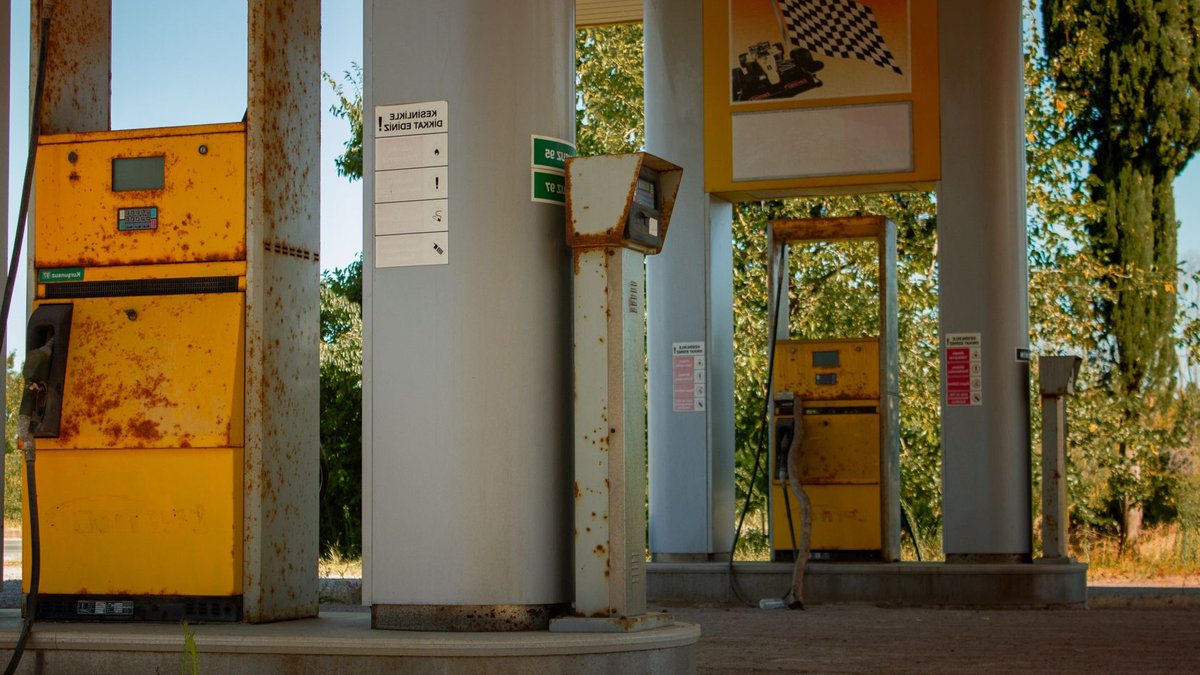
South Africa’s petrol stations and petroleum licensees now have 60 days under new Department of Mineral and Petroleum Resources rules—or risk enforcement actions for non-compliance.
Minister of Mineral and Petroleum Resources Gwede Mantashe gazetted new Compliance Regulations under the Petroleum Products Act of 1977, requiring all active licensees to bring operations up to date.
The mandate requires all active licensees to verify their operating details, clear any unpaid annual fees, and submit updated contact information within a strict sixty-day window.
The regulations aim to improve regulatory compliance, clean up the licensing database integrity, identify inactive or non-compliant license holders, and collect outstanding licence fees.
According to the Gazette, all existing licensees and applicants must comply with the following actions by late December 2026: update and verify details, satisfy conditional granting requirements, and submit updated ownership and contact data.
Licensees must also provide statutory documentation supporting any corporate structural or business status changes, and make a formal declaration confirming that licensed activities remain active and operational.
Those licensees who fail to comply within the department’s strict 60-day window could face severe penalties, including the cancellation of licences.
According to the Minister, non-compliance will lead to direct enforcement action, and contravention constitutes a criminal offence under section 12 of the Petroleum Products Act.
The South African National Roads Agency (SANRAL) published the Draft Policy for Rest and Service Facilities along National Roads, which raised concerns over increased control over private businesses.
The business group Sakeliga warned that the policy would impose new broad black economic empowerment (BEE) requirements on petrol stations and other roadside businesses.
Sakeliga argued that this is simply an attempt to use SANRAL’s authority over South Africa’s national roads to control businesses operating on private land, and that the roads agency is trying to use SANRAL Act provisions intended to regulate access to national roads to introduce much broader commercial and socio-economic regulations.





Leave a Reply