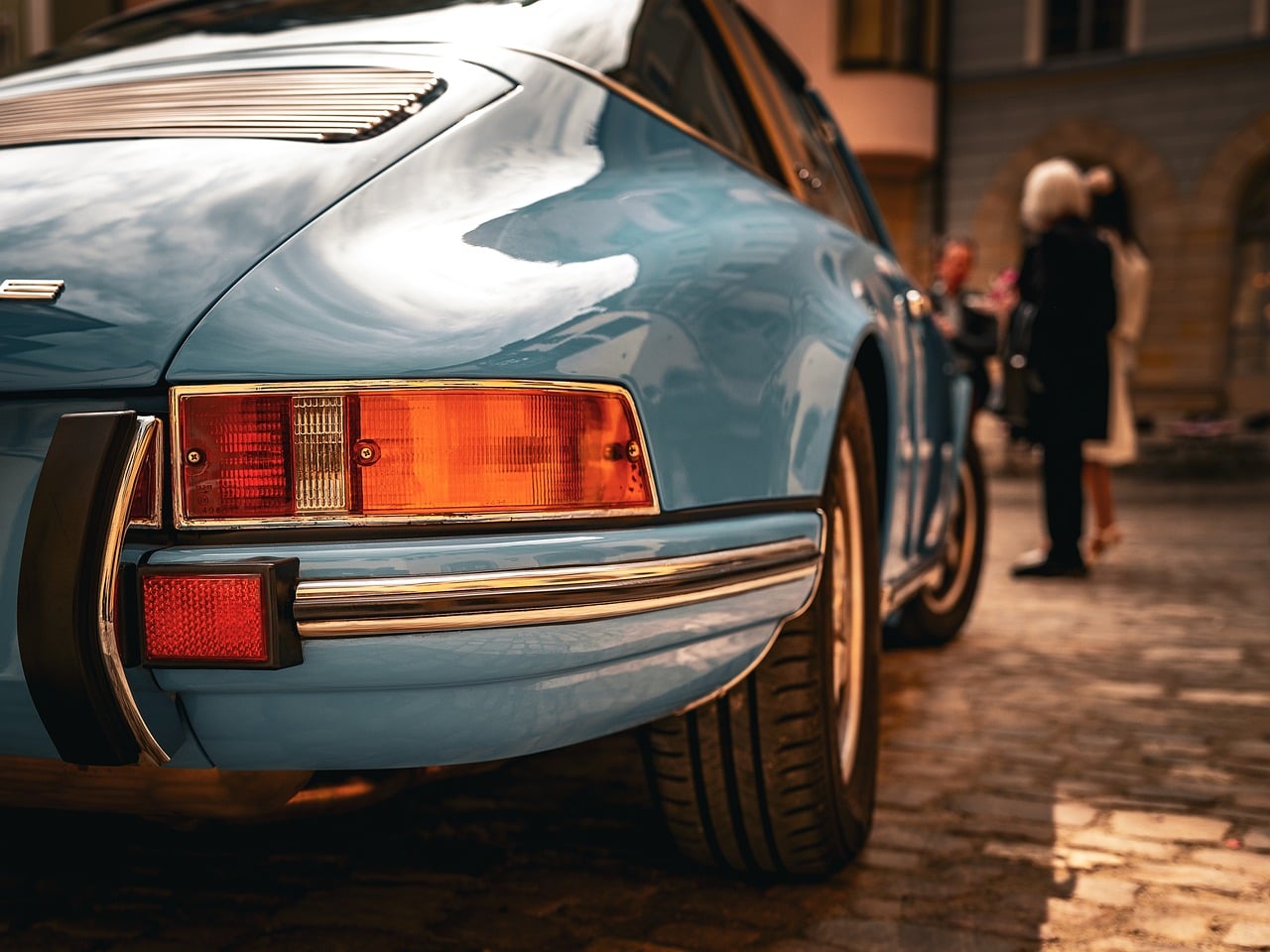
Porsche will stop making the gas-powered Macan this summer, according to a recent call with investors. The company plans to build as many of the SUVs as possible before production ends, ensuring they remain available for sale through 2025 and possibly into 2026. The Macan is Porsche’s top-selling model in the U.S., where demand for the internal combustion engine version remains strong despite the company’s push toward electric vehicles.
“The ICE Macan really has a great demand,” said Jochen Breckner, a Porsche financial executive. “We are also supplying that region [the U.S.] with the cars that we produce.” Breckner noted that U.S. tax incentives for electric vehicles have been paused, creating pressure on the electric Macan’s sales. This has made the gas-powered version more attractive to buyers in the American market.
Read Also: IndyCar Pulls Offensive T Shirt From Store
Porsche sold 27,139 Macans in the U.S. in 2025, more than any other model in its lineup. While the company did not break down sales between gas and electric versions, industry trends suggest the gas Macan still holds a significant share. The electric Macan launched in 2024, but no updates to the gas version have been announced since 2021.
The decision to end gas Macan production this summer leaves a gap in Porsche’s lineup. No direct replacement for the gas-powered SUV is expected until 2028. That means buyers will face a choice between the electric Macan and competitors from BMW and Mercedes-Benz in the next few years. It remains unclear whether consumers will wait for Porsche or switch to rivals.
Porsche’s move aligns with broader industry trends. Automakers globally are shifting focus to electric vehicles, but the U.S. market’s delayed incentives for EVs has slowed that transition for some brands. The gas Macan’s continued availability in 2025 and 2026 gives buyers time to decide if they want to stick with the traditional model or embrace the electric version.
For now, Porsche is prioritizing the U.S. market. The company’s financial plans emphasize ensuring supply meets demand, even as production winds down. This includes allocating more vehicles to the U.S. than other regions, where the gas Macan’s popularity is highest. The strategy reflects a balance between honoring current customer preferences and preparing for the future.
The end of gas Macan production raises questions about Porsche’s short-term strategy. With no immediate successor, the company is betting that the electric Macan will gain enough traction to fill the void. But the transition may not be smooth. Some buyers may prefer the gas model’s performance, reliability, or cost, especially if electric vehicles remain pricier or less accessible in certain areas.
Industry analysts say the move could accelerate competition in the luxury SUV segment. Brands like BMW and Mercedes-Benz are already offering electric and hybrid options, and others are expected to follow. Porsche’s decision to phase out the gas Macan may push it further into the spotlight, but it also risks losing customers who are not ready for full electrification.
The timeline for the gas Macan’s exit is clear: production stops this summer. After that, the model will be sold only from existing inventory. Porsche has not provided details on how many units will be available beyond 2025, but the company has emphasized its commitment to meeting demand in the U.S. until supplies run out.
For buyers, the message is straightforward: the window to purchase a gas-powered Macan is closing. Dealers may see increased interest in the coming months as potential buyers rush to secure the model before it disappears. The electric Macan, meanwhile, will need to prove its appeal quickly to avoid losing market share to competitors.
Porsche’s strategy reflects a broader challenge for automakers: balancing immediate customer needs with long-term goals. The gas Macan’s end is a step toward an all-electric future, but it also highlights the complexities of transitioning in a market that is not yet fully ready for that shift. The next few years will test how well Porsche can manage that balance.

Leave a Reply