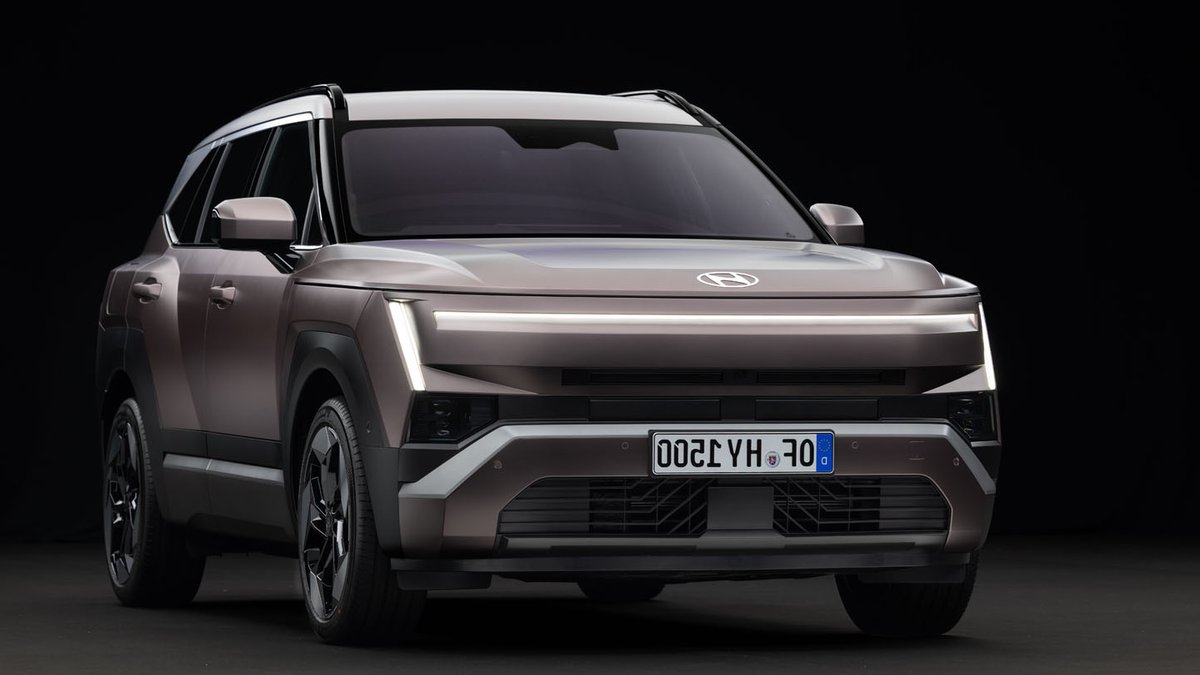
Hyundai’s latest Tucson model incorporates advanced technology to counter competition from emerging Chinese brands while maintaining its status as a globally popular vehicle. While the SUV was first revealed in South Korea, the manufacturer has now shared specifics about the compact version destined for Europe, with the UK included in its rollout.
Enhancing the cabin’s utility and dimensions was central to the fifth-generation Tucson’s development. Compared to its predecessor, the SUV now measures 35mm longer at 4.56m, with a wheelbase extended by 40mm. Additional width and height contribute to a more commanding presence.
Design and Features
The cargo area has expanded by 79 litres, reaching 695 litres, while the rear seating splits into a 40:20:40 configuration. Passengers can adjust the middle section forward or backward by 150mm to optimize either legroom or storage flexibility. Hyundai has also borrowed the dashboard layout from its new Ioniq 3 electric hatchback, combining a compact, low-mounted steering wheel with a raised digital display.
Hyundai’s European design leader, Eduardo Ramírez, described the design process as an extensive effort to prevent driver frustration. He noted, “We had to challenge the conventional steering wheel shape for the interaction between the driver, the handling, and the visibility of the displays.”
Safety Features
A redesigned driver attention system is mounted on the rearview mirror, monitoring both occupants. This setup detects improper seating positions and ensures seatbelts are fastened. Additionally, a new alert system sounds the horn if a child remains in the back seat after the vehicle locks.
Every Tucson will feature a 1.6-litre turbocharged petrol four-cylinder engine, available in multiple electrified configurations and with front- or all-wheel drive. The standard petrol variant delivers 148bhp, while the hybrid increases output to 235bhp. The plug-in hybrid version produces 284bhp and offers an electric range of 50 miles.
The updated Tucson will debut in the UK next March, with pricing expected to rise marginally from the current entry-level cost of £32,685. The hybrid model introduces HEV Stay Mode, utilizing the 1.6kWh battery to sustain electrical functions, such as climate control, when the engine is inactive.



Leave a Reply