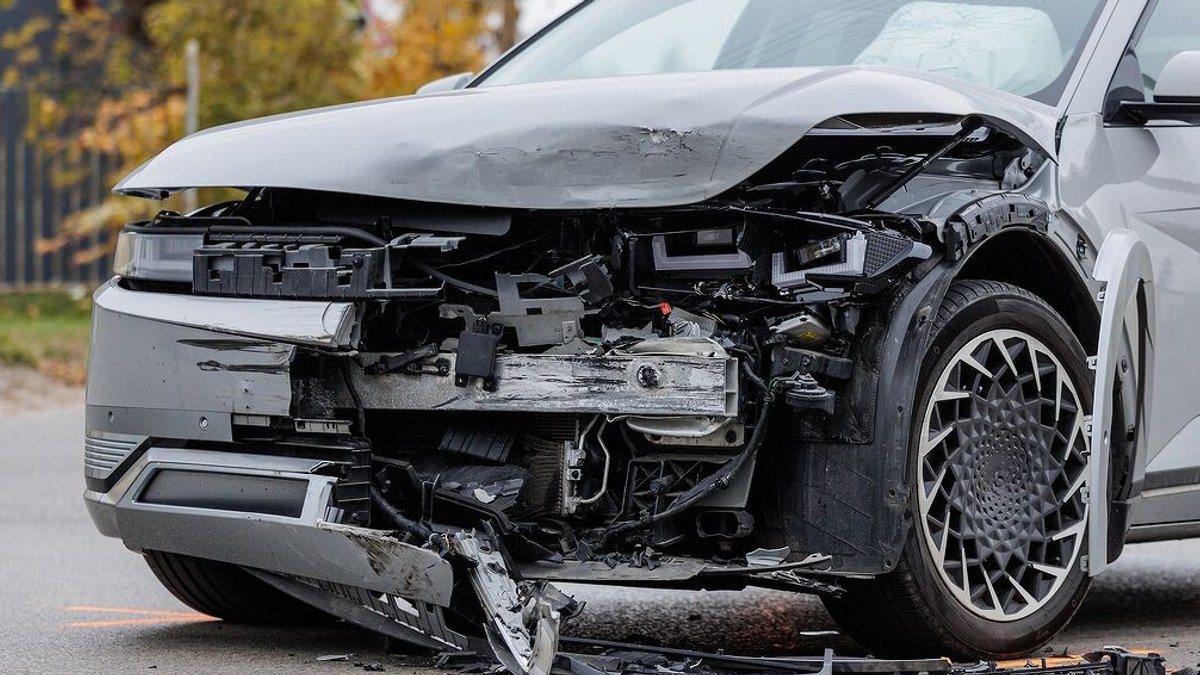
Car insurance claim payouts have become increasingly uncertain, with new data showing insurers denied nearly half of the liability and medical claims they resolved last year.
Denial rates climb to 45%
Reporters noted that auto insurers declined to pay on 45% of the auto liability and medical claims they settled in the most recent year. A decade ago, the denial rate for the same categories hovered around 35%. The analysis drew on thousands of regulatory filings submitted by insurers, providing a direct look at how often claims end with a payment.
These figures may shift slightly as additional claims are finalized, but the overall trend points to a widening gap between the premiums drivers pay and the financial protection they receive after a crash. The rising denial rate applies specifically to liability and medical claims, which involve third‑party injury or damage rather than simple property repair.
Impact on drivers
More than six million traffic accidents were recorded in the United States last year, according to the same source. With such a high volume of crashes, the probability of receiving a payout for injury‑related claims is now close to even odds. When insurers contest liability, injury severity, or medical necessity, they have broader discretion to deny payment, contributing to the higher denial rate.
Related: 2026 GMC Acadia AT4 vs Ford Explorer Tremor
Because car insurance is mandatory for drivers, the increasing frequency of denied claims raises concerns about the reliability of a product that many households cannot opt out of. While the analysis did not pinpoint a single cause for the rise, the shift suggests that policyholders may face more hurdles when seeking compensation.
For many motorists, the practical effect is that filing a claim after a collision may no longer guarantee any financial relief. The data shows a reversal from a decade ago, when the majority of resolved liability and medical claims resulted in a payout. Last year, the opposite was true: a near‑majority of those claims ended without payment.
One way to understand the change is to consider how insurers assess claims. In cases involving injury or third‑party damage, the evaluation often hinges on factors such as fault determination and medical evidence. This complexity gives insurers more latitude to reject a request, which may explain the jump from a 35% to a 45% denial rate over ten years.
Overall, the trend signals a shift in the risk balance that drivers must consider when selecting coverage. Understanding how insurers evaluate liability and medical claims can help consumers set realistic expectations and protect themselves against unexpected financial shortfalls.





Leave a Reply