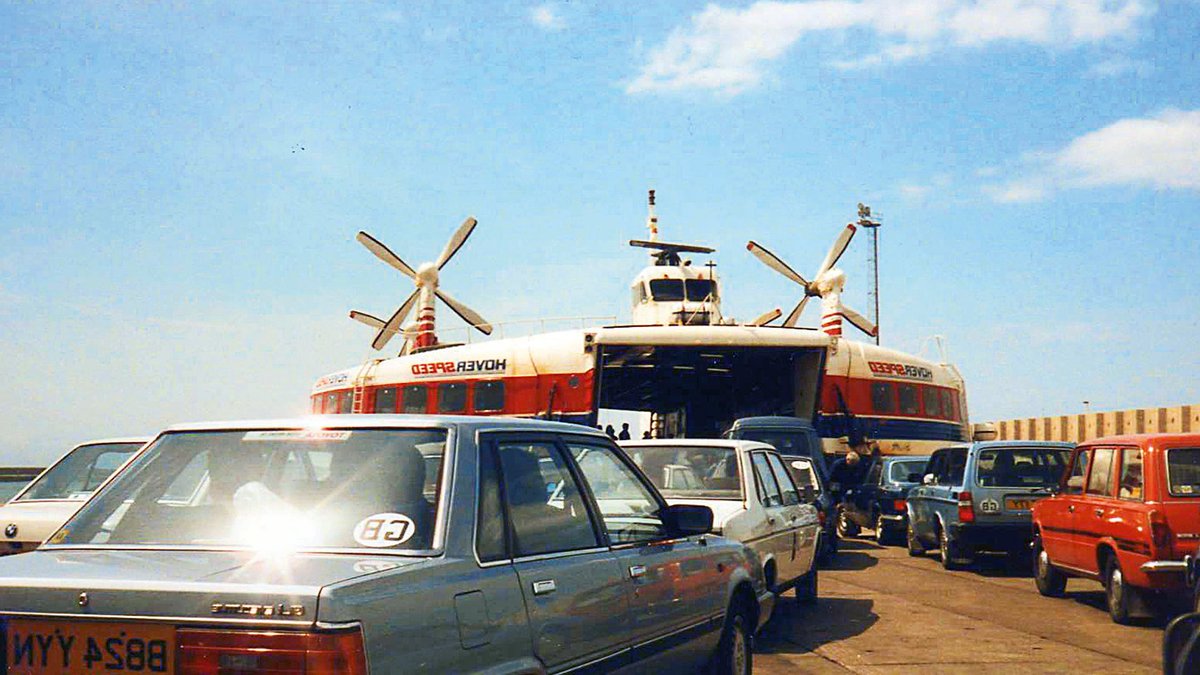
In 1981, a German company called Markant offered British buyers the chance to purchase Ford cars at nearly half price by traveling to Antwerp, Belgium. This deal sparked a frenzy among UK consumers, who flocked to exploit the price difference, despite resistance from local dealerships. Markant’s best deal was on the Granada Ghia, but savings averaged 25%, and even Volkswagen’s in-demand Golf GTI could be bought with a 15% discount.
How the Loophole Worked
Markant’s scheme leveraged a legal loophole in European trade regulations. Buyers could import right-hand drive cars from Belgium, pay VAT and Special Car Tax, and register them in the UK under a concession exempting them from National Type Approval. These vehicles met British specifications and carried manufacturer warranties that local dealers could not void. The process was so straightforward that it attracted widespread interest, with Which? receiving 35,000 applications for its ‘how-to-do-it’ kit.
The company’s British office was ironically located above the headquarters of VAG Ltd, a VW importer, from whom they rented the space. Despite being evicted a month later for operating a business from a residential address, Markant had already exposed the loophole to thousands of buyers. By then, VW estimated that of the 837 right-hand drive cars personally imported in the first third of 1981, only 260 belonged to the military, the primary intended beneficiaries of the exemption.
The Backlash and Boom
Official importers viewed Markant’s operations as an attack on their marketing structure. Hans Georg Wiesner, Markant’s boss, countered that importers could eliminate his business by simply lowering UK prices to match those in Germany. The scheme gained traction due to relaxed exchange controls and increased freedoms within the Common Market following the UK’s entry in 1973. However, it wasn’t without risks; buyers like Brian W, who saved £2,300, discovered that specifications varied by country. His Audi Coupé lacked £700 worth of features, including power steering, rear wiper, electric windows, central locking, and seat height adjustment.
Read Also: Honda Cuts Costs with Chinese Components
By 1981, personal imports accounted for over 40,000 of the 1.5 million new cars registered in the UK. In Northern Ireland, the trend was even more pronounced; in June 1982, 78 out of 107 Mazdas registered had been bought in Ireland, highlighting the ease of exploiting this loophole.
The Legal Battles and Decline
The Society of Motor Manufacturers and Traders lobbied the Thatcher government to close the loophole, while British Leyland raised prices for right-hand drive cars in Belgium. In 1985, a new European law allowed third parties to import cars on behalf of buyers, further simplifying the process. Despite legal challenges from Ford, which lost cases in the European Court of Justice, the bubble began to deflate by the late 1980s.
Factors contributing to the decline included a weakened pound, particularly against the German Deutschmark, and a European directive capping pre-tax price differences at 12%. British dealers were forced into a “price war,” eroding the savings. While there was a brief revival in the late 1990s and 2000s as the pound strengthened, the rise of car financing and Brexit-related complications ultimately ended the financial advantages of such imports.



Leave a Reply