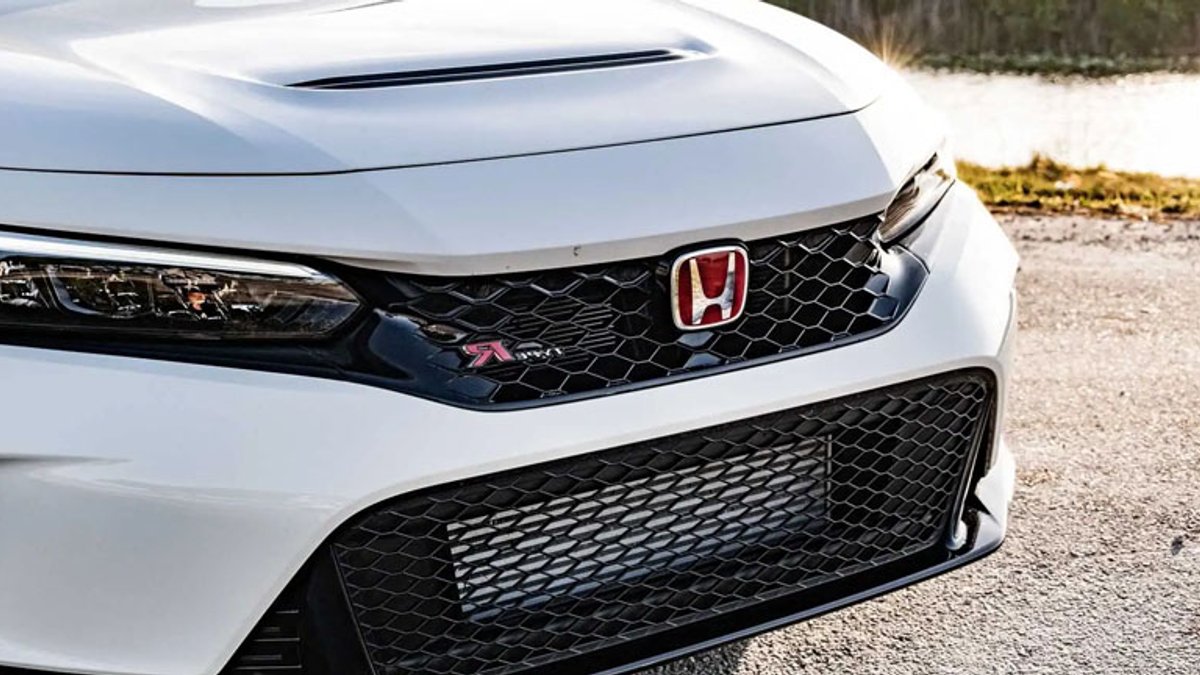
Honda is under pressure from affordable electric vehicles from China, prompting the company to take drastic measures to cut operational costs. According to an internal report, Honda aims to achieve efficiency of up to 1.5 trillion yen, or approximately $9.4 billion, by 2030.
The company’s management has met with its main suppliers in Utsunomiya, Japan, to request significant price cuts for components without delay. Honda is also encouraging its Tier-1 suppliers to import and use more Chinese-made components to reduce production costs and compete with Chinese brands like BYD, Wuling, and Chery.
Honda’s goal is to reduce costs by 30% in three main categories: press components, electrical parts, and software-defined vehicle systems. This target has raised concerns among local Japanese suppliers, who consider it unrealistic. To further reduce costs, Honda is asking its Tier-1 suppliers to overhaul their procurement processes and use more standardized components from Tier-2 and Tier-3 vendors.
In a bid to increase efficiency, Honda and Nissan have agreed to jointly develop a standard ECU for software-based vehicles starting in 2029. This move is a response to Honda’s significant losses, estimated to be over $12 billion, due to its struggles in adjusting to the electric vehicle market, including the cancellation of several EV projects in North America.
Chinese companies like BYD are gaining global market share in Southeast Asia, Latin America, and Europe with their affordable electric vehicles. As a result, Honda is forced to push its supply chain to produce hybrid and gasoline vehicles at more competitive prices internationally.



Leave a Reply