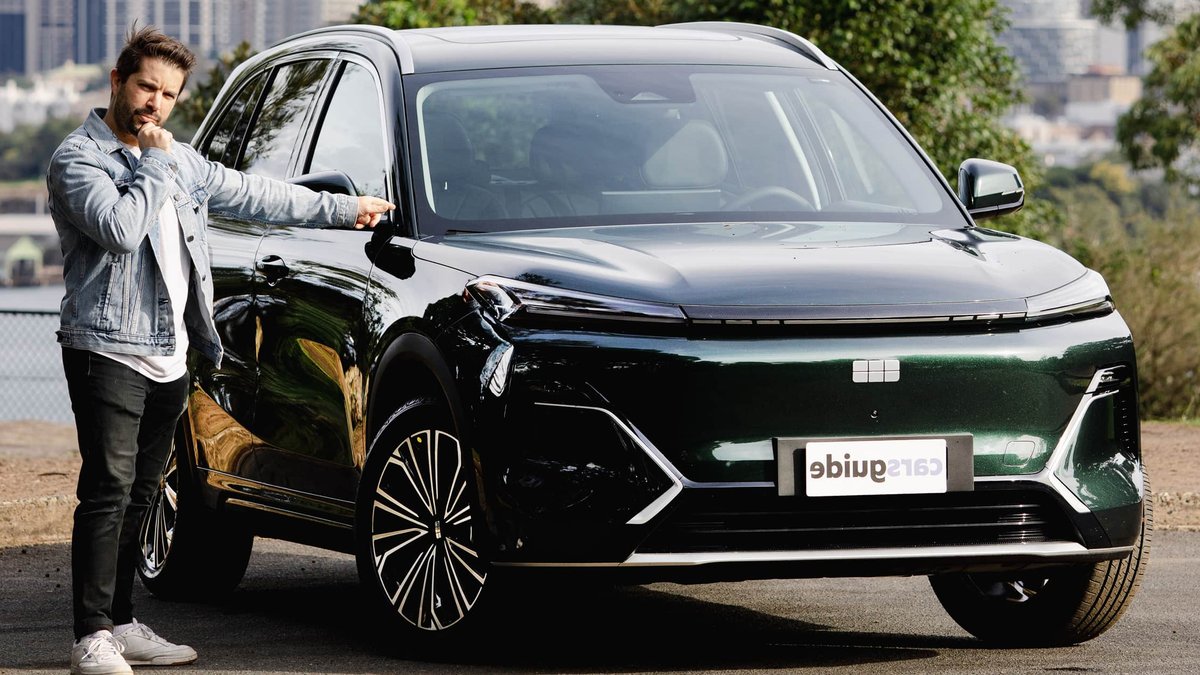
The 2026 Geely Starray EM-i Inspire represents a significant upgrade to the Chinese automaker’s range-topping plug-in hybrid SUV. After three months of testing the previous model, the manufacturer replaced the test vehicle with this updated version, highlighting the speed at which the company is adapting to market feedback. The 2026 update introduces a larger battery pack and a new name, Starray Inspire Extended Range, shifting the focus toward greater electric capability and faster charging speeds.
Geely has kept the price increase modest, adding just $1500 to the starting price. The Starray Inspire Extended Range now starts at $41,490 before on-road costs, positioning it as a more competitive option against the BYD Sealion 6 Extended Range. The new model also includes practical upgrades like massaging front seats and enhanced towing capabilities, though the core mechanical layout remains largely consistent with the earlier version.
The headline changes focus on the battery and charging infrastructure. The previous 18kWh unit has been swapped for a 30kWh powerplant, which increases the electric-only driving range by 53km to 136km. The max DC charging speed has also doubled to 60kW, allowing drivers to fill the battery from 30 to 80 percent in roughly 16 minutes. Fuel consumption claims have dropped to 1.4L/100km from 2.4L/100km, though achieving this figure requires strict discipline regarding battery maintenance.
Related: CarsGuide Names Top Car of Year Contenders
Real-world performance and comfort
After more than 1000km of driving and 24 hours behind the wheel, the Starray demonstrates strong capabilities in daily driving scenarios. The synthetic leather seats offer excellent adjustability, allowing drivers of varying sizes to find a comfortable position. Visibility out the front is clear, aided by a birds-eye view camera and multiple parking sensors, making tight maneuvering in carparks and city streets relatively straightforward.
The hybrid system blends electric and petrol power seamlessly. The 1.5-litre four-cylinder non-turbo engine and electric motor combination produces 193kW, providing adequate power for overtaking on the motorway and climbing steep hills. The steering is well-weighted and predictable, offering confidence on winding roads. Road noise and tyre roar are minimal, contributing to a refined cabin experience.
While the active driver aids generally perform well and lack the annoying beeps and bongs found in rival brands, the speed warning system is persistent. It activates when the vehicle exceeds the speed limit by just 1km/h, and the sign recognition technology occasionally fails to identify the correct speed limit, which can be frustrating for drivers trying to remain compliant.
Related: Mazda CX-5 Secures IIHS Top Safety Pick 2026
Challenges with road manners and efficiency
The suspension setup presents a notable drawback for Australian conditions. The ride is firm, particularly at the rear, where the car tends to crash over speed bumps and splutter over potholes. This harshness makes the vehicle less comfortable for passengers, especially when children are in the back seat or when carrying loose items in the boot. A local suspension tune would likely improve the overall experience on rougher roads.
Power delivery can feel strained if the battery is depleted and the driver switches to Power mode, where the petrol engine is solely responsible for driving the wheels. Furthermore, the lack of an all-wheel-drive option is a missed opportunity. The 193kW output is concentrated at the front wheels, leading to wheel spin during acceleration in wet conditions, which compromises safety for a family-oriented vehicle.
Despite the lower claimed fuel use, real-world efficiency varies significantly based on driving habits. To approach the 1.4L/100km mark, the driver must be super disciplined about keeping the battery topped up. The best recorded figure was 2.6L/100km over a 50km stint, while the worst exceeded 6.0L/100km. However, the new battery is more reliable at maintaining its electric range claim, unlike the older version which frequently fell short of its 83km target. In the most recent month of testing, the vehicle covered 300km with an average fuel consumption of 3.4L/100km.


Leave a Reply