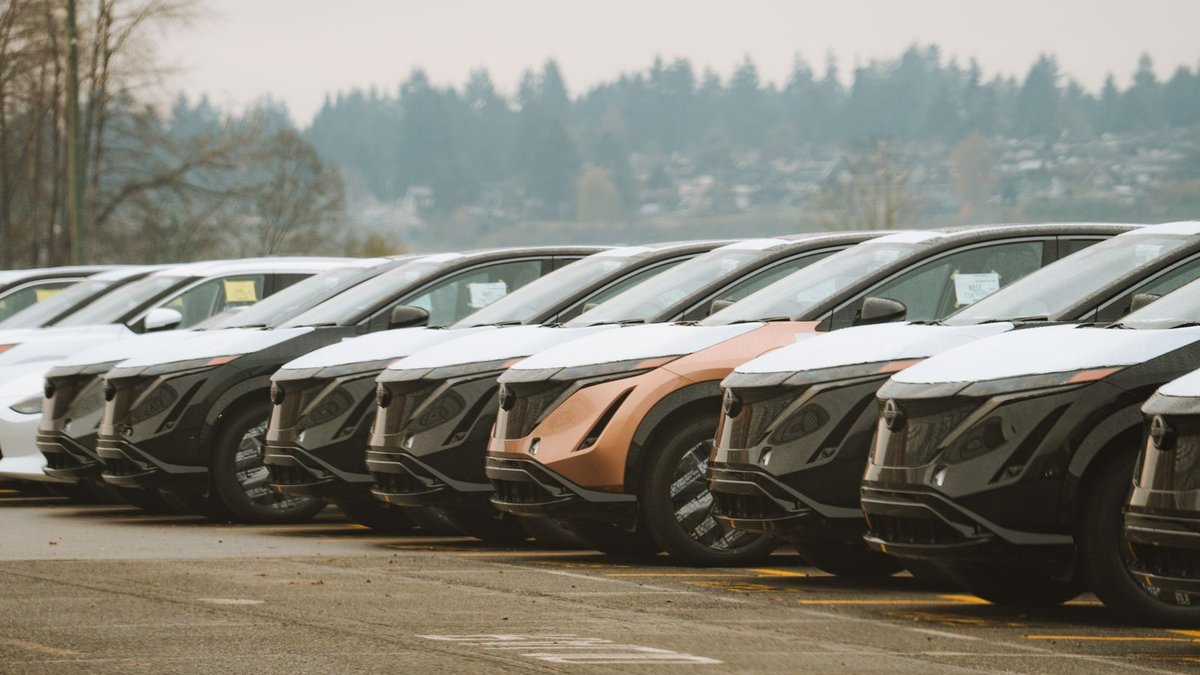
The Australian new car market posted record sales in June, but industry insiders say the numbers hide growing financial pressure on dealerships.
Record registrations don’t match dealer reality
Mark Beitz, managing director of Bartons Motor Group, said Federal Chamber of Automotive Industries’ VFACTS data for June showed delayed deliveries rather than real demand.
“There were a lot of cars already sold months prior being delivered in June,” he said. “That created a large spike, especially in electric vehicles and plug-in hybrids.”
Beitz explained the surge followed a brief buying rush in April after fuel prices jumped due to tensions in the Strait of Hormuz. Dealers cleared older electric vehicle stock then, but the demand faded quickly. By May, new orders had dropped, and June’s figures mainly reflected backlogged shipments.
“What we’re seeing in VFACTS is deliveries,” he said. “New orders aren’t close to April levels.”
With global fuel supplies now steady, Beitz expects no repeat of the second-quarter surge. “The rest of the year will likely average the first half,” he said.
Profit margins hit historic lows
Despite high sales volume, Beitz called the industry’s financial health the weakest in decades.
“Profitability is at its lowest point ever,” he said. “Returns for the first half of the year are the worst in memory.”
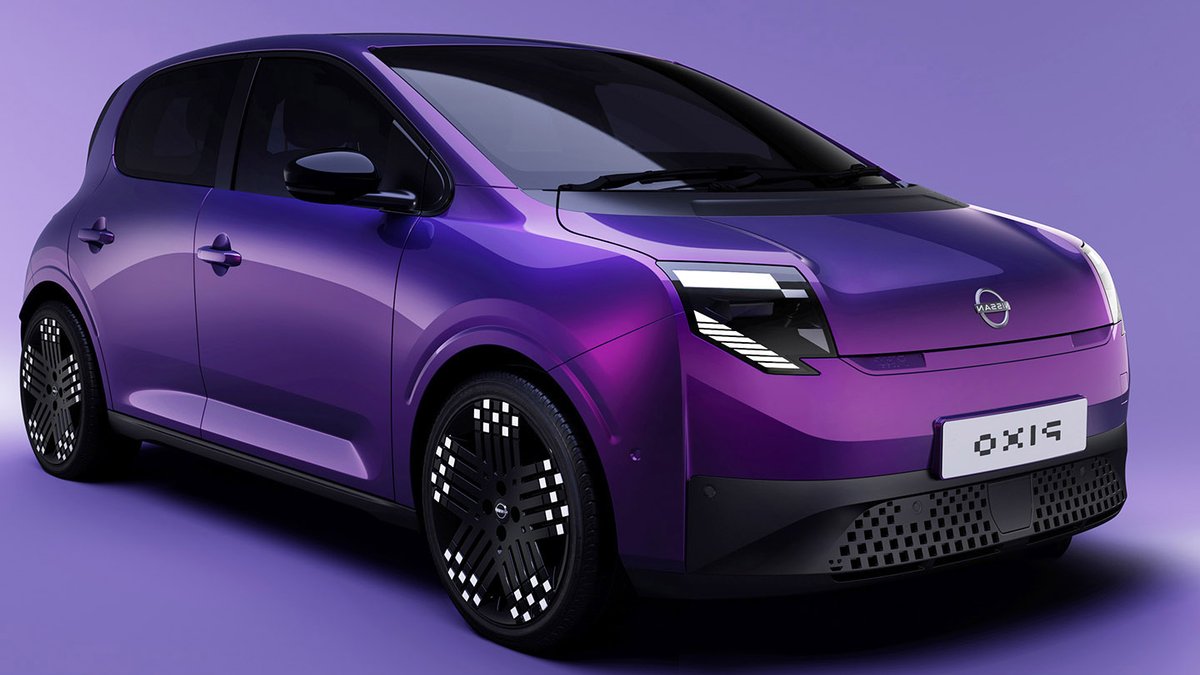
Related: Nissan bets big on five new models
Several issues are squeezing dealerships. Excess inventory at ports and on lots has pushed prices down. “Margins have collapsed,” Beitz said. “Too much stock is hurting revenue.”
Competition is also rising. The market has grown slightly this year, but 65% of sales still come from internal combustion engine vehicles, a segment that has actually shrunk. Meanwhile, new Chinese brands are entering with lower prices, forcing established automakers to respond.
Nissan plans to introduce Chinese-built models alongside its traditional trucks like the Navara and Patrol. Beitz said buyers are interested, but legacy brands can’t match the speed of Chinese rivals. “They’re adjusting, but not as fast as the new brands are appearing,” he said.
This shift is reducing space for older brands. “It means less room for dealers like us,” Beitz said.
The industry faces more than just sales challenges.
Pressure comes from managing inventory, competition, and falling profits while dealing with an uncertain economy. “The focus isn’t just selling cars anymore,” Beitz said.
Dealers are now adapting to a market where record registrations no longer guarantee financial stability.



Leave a Reply