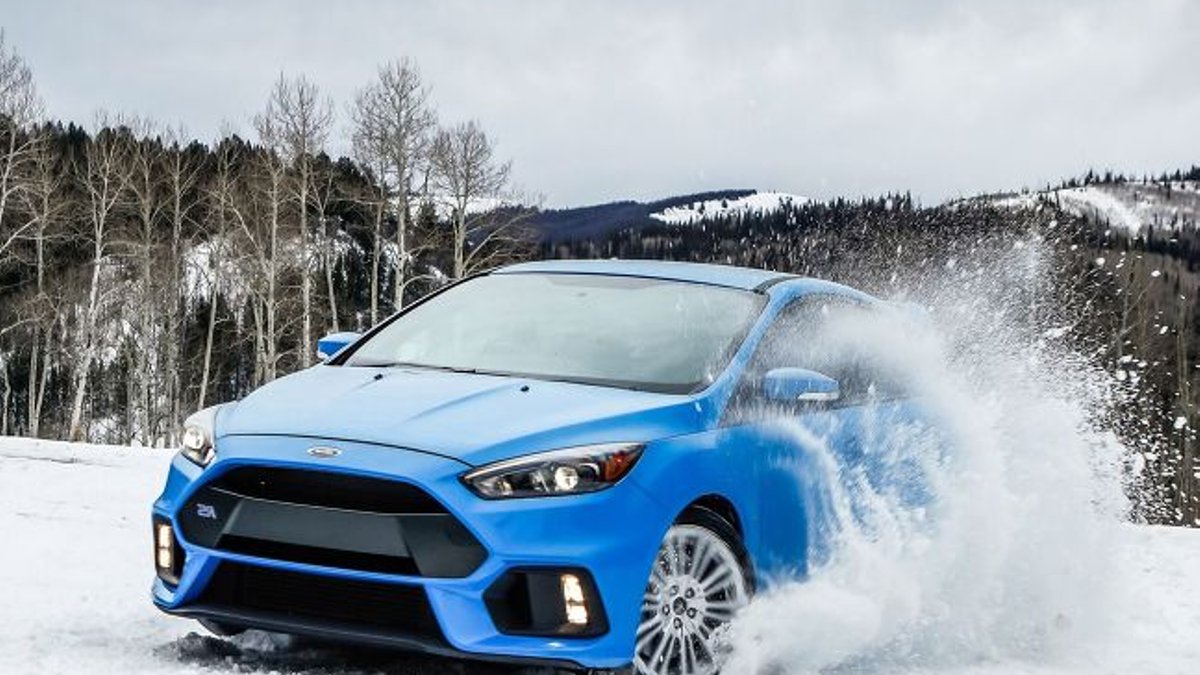
When temperatures dip below 40 °F (4 °C) and snow or ice become common, drivers often consider winter tires as a worthwhile investment.
How winter tires differ from all‑season options
All‑season tires aim to perform adequately in spring, summer and autumn, but their rubber formula sacrifices cold‑weather grip. Winter tires use a softer compound that stays pliable in freezing conditions, allowing the tread to conform to icy surfaces. The tread pattern also changes: deeper grooves, larger blocks and numerous sipes create more biting edges that improve both acceleration and braking on snow and ice.
These design features can affect vehicles of any drivetrain. A rear‑drive sports car, a front‑wheel sedan, or a four‑wheel‑drive SUV all benefit from the extra traction, especially when the road temperature falls under 40 °F. Even on dry pavement, the softer rubber can provide a modest edge over all‑season tires in cold weather.
Related: 2026 Honda Pilot Polishes A Winning Formula
When winter tires make sense
Legal requirements dictate winter tire use in places like Quebec, but most drivers decide based on climate. Regions that experience regular sub‑freezing temperatures, frequent snowfall or icy conditions typically see a noticeable safety improvement after switching to winter rubber. In contrast, areas such as Florida, South Texas or parts of the Midwest with only occasional light snow may find all‑season tires sufficient.
Choosing winter tires also involves practical considerations. Buying a second set of wheels lets owners swap tires themselves, saving labor costs each season. A basic steel rim set can be inexpensive compared with repeated mounting fees at a shop. However, the extra set of wheels occupies storage space, whether in a garage, attic or a rented locker.
If a driver prefers not to keep a spare set of rims, a professional installation is required. The service is generally affordable, though demand spikes during the fall and spring, potentially leading to longer wait times.
Related: Direct-injection engines face carbon buildup concerns
From a cost‑benefit perspective, the upfront expense of winter tires and possible extra rims may seem high, but the reduction in accident risk during icy months can offset those costs. Insurance premiums sometimes drop for drivers who can demonstrate the use of appropriate seasonal tires, adding another financial incentive.
Winter tires save lives.
Overall, the decision hinges on local weather patterns, legal obligations and personal convenience. For those living where winter brings frequent snow, ice or sustained low temperatures, winter tires provide a clear safety advantage that most all‑season options cannot match. Residents of milder climates may find the added expense and storage requirements outweigh the benefits.





Leave a Reply