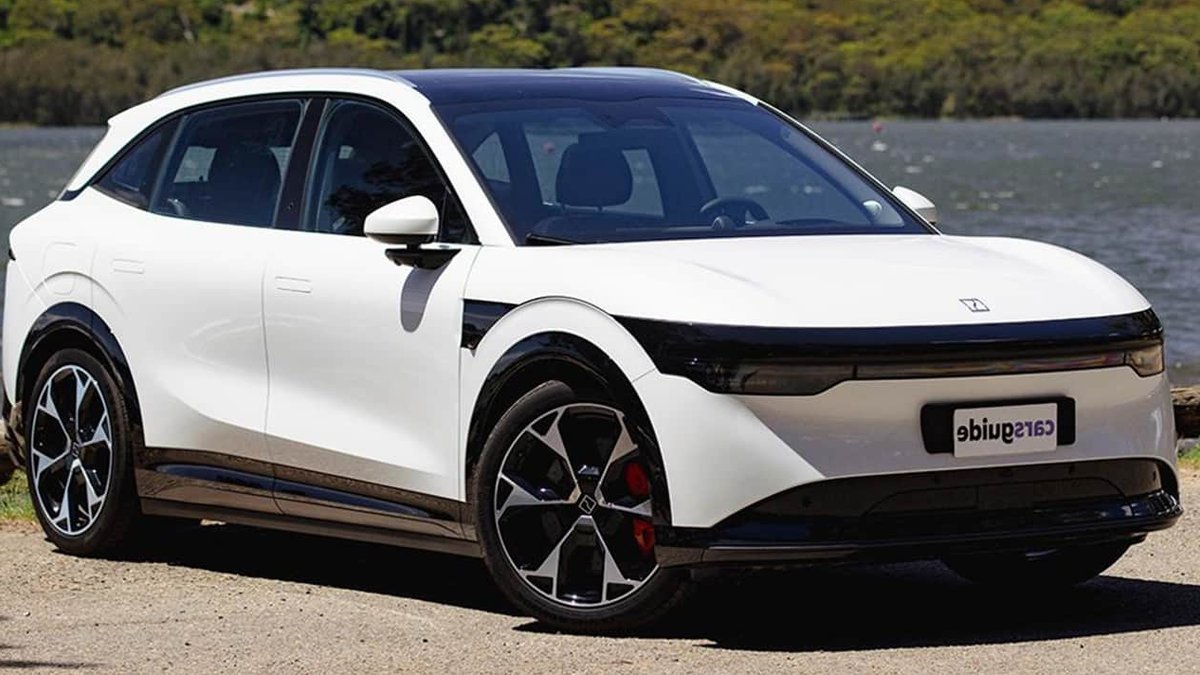
Chinese car exports to Australia are set to outpace any prior year as the market becomes a new focal point for brands such as Chery, BYD and Zeekr, according to recent industry data.
Export surge drives Australian demand
Auto Home reports that Chinese vehicle shipments rose 65 percent in the first half of 2026, reaching 5.1 million units worldwide. Of those, BYD and Chery together accounted for nearly 2 million sales abroad, a sizable share of the total. In Australia, the influx is evident: the top ten best‑selling electric models are all built in China.
The BYD Sealion 7, a mid‑size electric SUV priced from $54,000 before on‑road costs, has quickly become a bestseller. Chery’s Tiggo 4, offered as a petrol‑plug‑in hybrid starting at $23,990 drive‑away, and the Jaecoo J5 EV at $36,990, also rank among the most common sights on Australian streets. BYD’s Atto 1 hatchback, the cheapest new electric car at $23,990, and the Dolphin model under $30,000 further illustrate the price range now available from Chinese manufacturers.
Australia’s lack of a domestic car‑making industry removes many of the protective tariffs that other regions have imposed. Europe, for example, has applied duties of up to 35 percent on Chinese electric vehicles since late 2024. Thailand now requires a two‑for‑one local production rule. Those barriers are absent down under, making it a more attractive destination for Chinese exporters seeking profit after recent legislative changes at home.
Policy shifts at home reshape strategy
New Chinese regulations have reduced the profit margin on a vehicle sold for 200,000 yuan ($42,000) from roughly 200,000 yuan to just 3,000 yuan ($633). The tightening of mass‑production advantages forces automakers to look beyond their saturated domestic market. Exporting to countries with fewer trade obstacles, such as Australia, offers a more viable path to maintaining earnings.
Related: Compact off-grid trailer packs big adventure
These policy adjustments also level the playing field for smaller Chinese firms. Previously, larger brands like BYD could dominate through economies of scale. Now, the reduced margin means that even modest‑size manufacturers can compete internationally, provided they find receptive markets.
Geely has already reported solid performance with its EX5 electric SUV, and it plans to roll out additional models over the next year. GAC and XPeng are accelerating launch schedules, citing the “squeeze back home” as a catalyst for overseas expansion.
Australian drivers now have more options.
The surge may influence local policy discussions, though no immediate changes have been announced. The current environment suggests that Chinese automakers will continue to prioritize Australia as they diversify away from a crowded home market.
In the coming months, showrooms are expected to showcase more Chinese models, expanding the choices for consumers and potentially reshaping the composition of Australia’s automotive makeup.

Leave a Reply