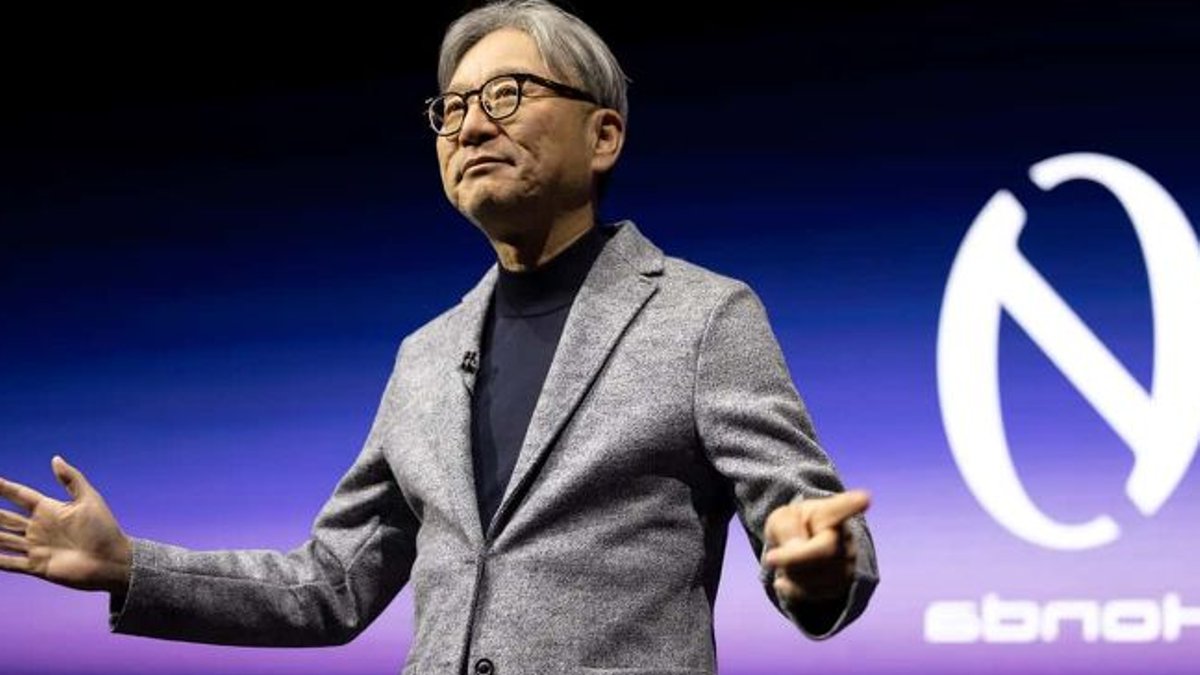
Honda and Nissan are accelerating toward a formal partnership focused on sharing core vehicle electronics. The two Japanese automakers are reportedly nearing an agreement that could see them utilize a shared electronic control unit before the end of the decade. Speaking during Honda’s annual shareholders meeting in Japan, President Toshihiro Mibe provided an update on the status of the discussions. He said that conversations with Nissan are “quite far along,” adding that some parts of the collaboration are almost ready to be announced.
A Reversal of Fortunes
This new deal comes more than a year after merger talks between the two companies famously fell apart. At the time of those initial discussions, it was widely believed that Nissan was the weaker of the two parties, struggling to find a solid footing in a shifting global market. The narrative has drastically changed following Honda’s tumultuous first half of 2026. That period included the cancellation of all of its electric vehicle programs, a move that shook confidence in the company’s previous strategy.
Where Honda once stood as the potential acquirer or savior, the setting is now more balanced. The failure of Honda’s prior EV roadmap appears to have necessitated a more cooperative approach. By joining forces, the companies can leverage their combined resources to address the technical and financial challenges of electrification that proved too difficult for Honda to tackle alone.
Related: Lamborghini Unveils 1,000 HP Miura Tribute
The Drive for a Common Platform
One of the first projects expected to come from the partnership is a shared electronic control unit (ECU). This central computer manages many of a vehicle’s core systems, acting essentially as the brain of the car. According to reports, Honda, Nissan, and Mitsubishi are working toward sharing a common ECU across future gasoline-electric hybrids and battery-electric vehicles.
The push for a unified platform is driven by the sheer expense of modern automotive development. As vehicles become defined by their software capabilities, the cost of building proprietary architectures has skyrocketed. Sharing these foundational technologies allows manufacturers to split research and development costs while accelerating the rollout of new features. It is a pragmatic solution to the problem of thinning margins in the electric era.
If approved, vehicles using the shared ECU platform are expected to start showing up around the 2029 or 2030 model years. Standardizing a vehicle’s central computing architecture would make it easier for the automakers to share software and electrical systems, as well as future vehicle technologies and safety features. This interoperability is seen as vital for remaining competitive against rivals who have already established large-scale software platforms.
Related: Direct-injection engines face carbon buildup concerns
Negotiations and External Pressures
The three companies first announced plans to deepen cooperation in software, electrification, and vehicle intelligence earlier this year. A shared ECU platform would mark one of the first tangible products of that alliance and could lay the groundwork for even more integration in future models. However, the companies are reportedly still negotiating development costs and other terms, with an agreement potentially inked within weeks.
One hurdle remains that could complicate the finalization of the deal. Renault still owns a 15 percent voting stake in Nissan, giving the French automaker considerable influence over major decisions. Any significant capital alliance or strategic partnership could require shareholder approval, meaning Renault’s voting power may become a factor if the partnership with Honda grows beyond simple technology sharing. Handling this existing relationship will be a delicate task for all parties involved.


Leave a Reply